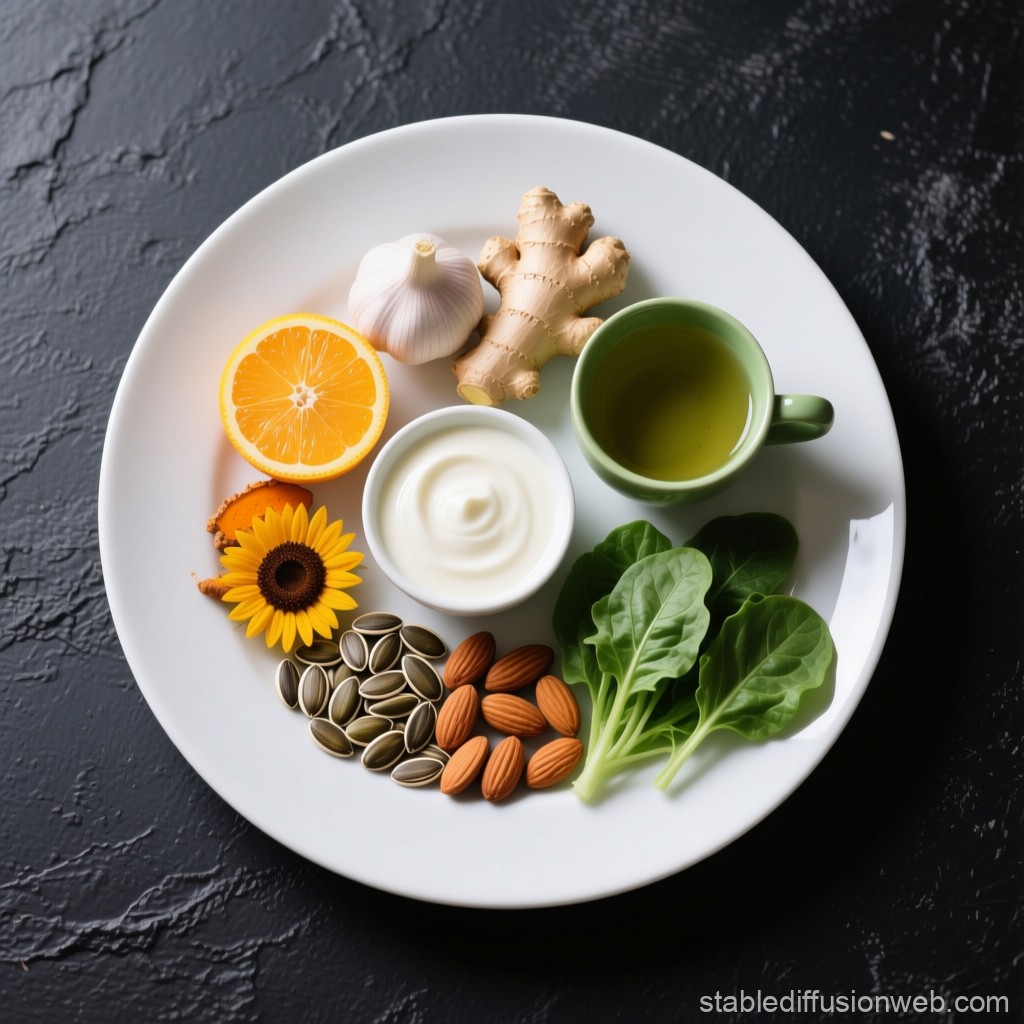
Introduction
Your immune system is your body’s personal defense team. It works quietly in the background every day, fighting off germs, bacteria, and viruses you come across. When it’s running smoothly, you may not even notice, but when it’s weak, you get sick more often and recover more slowly. Food plays one of the biggest roles in keeping your immune system in top shape. While supplements can help in certain cases, most of the nutrients you need to strengthen immunity can come directly from your plate. This is where superfoods come in. Superfoods are not a magic cure, but they are nutrient-rich ingredients that deliver an extra boost for your health. By adding the right mix of fruits, herbs, seeds, and other natural foods into your diet, you give your immune system the building blocks it needs to stay strong. In this article, we’ll look at some of the most powerful superfood ingredients that can support your immunity and simple ways you can add them into your daily meals without overcomplicating things.
What Makes a Food a “Superfood”?
The word “superfood” gets thrown around a lot, but what actually makes an ingredient worthy of that label? It’s not about being exotic or expensive. A superfood is any food that is especially rich in nutrients, antioxidants, and compounds that directly support your body’s health. For the immune system, that usually means vitamins like C, D, and E, minerals such as zinc and selenium, and antioxidants that fight off oxidative stress. These nutrients work together to keep your immune cells active, repair tissues, and help your body respond faster to infections. Think of superfoods as concentrated sources of natural protection. Some of the best options are surprisingly simple and already part of most kitchens. Garlic, citrus fruits, nuts, leafy greens, and spices like turmeric all fall into this category. The key isn’t to eat just one food and expect miracles, but to include a wide range of them regularly. That variety ensures your body gets all the building blocks it needs for steady immune support.
Top Superfood Ingredients for Immunity
Citrus Fruits (Vitamin C powerhouse)
Citrus fruits are probably the most well-known immune boosters, and for good reason. Oranges, lemons, grapefruits, and limes are all packed with vitamin C, which plays a major role in supporting the production of white blood cells. These are the cells that fight infections in the body. Vitamin C also acts as a strong antioxidant, helping reduce damage caused by free radicals. Since your body doesn’t store vitamin C, you need a regular intake to keep levels steady. Fresh citrus juice in the morning, a squeeze of lemon over salads, or even a snack of tangerines during the day are all easy ways to get more. The bright, fresh flavor makes them simple to add into meals without much effort. While citrus alone won’t prevent you from catching a cold, research shows that regular intake can shorten the duration and reduce the severity of symptoms. For best results, pair citrus with a balanced diet and other nutrient-rich foods.
Garlic (Natural immune enhancer)
Garlic has been used for centuries not just for flavor but also for its healing properties. Its strength comes from a compound called allicin, which is released when garlic is crushed or chopped. Allicin has been shown to have antimicrobial properties, meaning it can help fight bacteria, viruses, and even fungi. Regular garlic intake is linked with improved immune cell activity and reduced risk of common colds. The best part is that garlic is easy to include in everyday cooking. You can sauté it with vegetables, add it to soups and stews, or even use it raw in dressings and dips for maximum effect. If you’re worried about strong breath, roasting garlic gives it a milder, sweeter taste without losing all its benefits. While garlic won’t replace medical treatment, making it a regular ingredient in your meals can give your body a natural layer of protection.
Ginger (Anti-inflammatory boost)
Ginger is another kitchen staple that does more than add flavor. Known for its spicy, warming taste, ginger is packed with compounds called gingerols, which have strong anti-inflammatory and antioxidant effects. Inflammation is the body’s natural response to threats, but too much of it can weaken the immune system. Ginger helps bring that balance back. It’s also widely known to ease nausea, soothe sore throats, and fight respiratory infections. Fresh ginger works well in teas, smoothies, stir-fries, and even baked goods. A simple cup of hot ginger tea with honey is one of the easiest ways to take advantage of its immune-supporting benefits. You don’t need a large amount either—just a small piece of fresh ginger root each day can make a difference. Consistency matters more than quantity, and over time, ginger can help your immune system stay more resilient against everyday challenges.
Turmeric (Curcumin’s power)
Turmeric has gained global attention as a super spice, and it truly earns that reputation. Its bright golden color comes from curcumin, a compound known for its anti-inflammatory and antioxidant properties. Curcumin supports the immune system by reducing chronic inflammation, which can otherwise put strain on the body and lower defenses. Studies also suggest it may help modulate immune responses, making it effective in both preventing and managing certain infections. The catch is that curcumin isn’t absorbed very well on its own. Pairing it with black pepper increases absorption significantly. You can add turmeric to curries, soups, rice, or even blend it into a golden milk latte with warm milk and honey. Beyond immunity, turmeric also supports joint health and digestion, making it a well-rounded ingredient to keep in your kitchen. Using it regularly, even in small amounts, can help build steady support for your body’s defenses.
Yogurt (Probiotics for gut health)
When you think of immunity, your gut might not be the first thing that comes to mind. But a large part of your immune system actually lives in your digestive tract, and probiotics play a major role in keeping it balanced. Yogurt is one of the most accessible probiotic-rich foods. The live bacteria in yogurt, such as Lactobacillus, help maintain a healthy gut microbiome, which in turn supports immune responses. Choosing plain, unsweetened yogurt is best, as added sugar can counteract the health benefits. You can enjoy it as a breakfast base topped with fruits and seeds, mix it into smoothies, or use it as a creamy addition to savory dishes. If you’re lactose intolerant, there are dairy-free yogurts made with almond, coconut, or soy milk that still contain live cultures. Consistent intake helps strengthen the gut-immune connection, making your body more resilient to infections over time.
Green Tea (Antioxidants and catechins)
Green tea is often celebrated for its calming qualities, but it’s also a powerful immune-supporting drink. It’s rich in antioxidants, particularly catechins, which help protect cells from damage and support the immune system in fighting pathogens. One of these catechins, EGCG, is especially potent in boosting immune function. Green tea also contains a small amount of L-theanine, an amino acid that may aid in the production of germ-fighting compounds. Drinking one to two cups a day is a simple way to support your body without needing supplements. It’s a great alternative to sugary drinks and provides a gentle energy boost thanks to its natural caffeine content. For best results, avoid over-brewing as it can become bitter. Adding a squeeze of lemon not only enhances flavor but also helps your body absorb more antioxidants. Green tea is a small habit that, when practiced regularly, pays off in long-term immune support.
Nuts & Seeds (Vitamin E & zinc)
Nuts and seeds may look small, but they’re packed with nutrients that play a big role in immune health. Almonds, sunflower seeds, and pumpkin seeds are excellent sources of vitamin E, a fat-soluble antioxidant that helps protect cells from damage and strengthens immune responses. Zinc, found in pumpkin seeds, also supports the development and activation of immune cells. These nutrients are especially important because they work in balance with vitamin C, giving your body more complete protection. A handful of nuts and seeds makes an easy snack, but you can also sprinkle them over yogurt, oatmeal, or salads. Since they’re calorie-dense, portion control matters, but even a small serving provides meaningful benefits. Roasted or raw, nuts and seeds are versatile, travel-friendly, and simple to incorporate into your daily routine. Consistent intake supports both immunity and overall health, making them one of the most practical superfoods to keep on hand.
Leafy Greens (Nutrient-dense immunity booster)
Leafy greens like spinach, kale, and Swiss chard may not be flashy, but they are nutrient powerhouses. They’re rich in vitamins A, C, and K, as well as folate, iron, and fiber. Vitamin A in particular plays a crucial role in maintaining the health of your skin and mucous membranes, which are your body’s first line of defense against pathogens. Spinach is also high in antioxidants and beta-carotene, which enhance the infection-fighting ability of immune cells. The best part about leafy greens is how flexible they are. You can enjoy them raw in salads, blend them into smoothies, or lightly steam them to retain nutrients. Cooking can reduce vitamin C content, but it often makes other nutrients, like antioxidants, more available. Including a variety of leafy greens throughout the week ensures you get a broad range of immune-supporting compounds. Simple, affordable, and versatile, greens are a staple for anyone focused on stronger immunity
Simple Ways to Add These Superfoods to Your Diet
Knowing which foods help is one thing, but making them part of your routine is where the real benefit comes in. The good news is you don’t need complicated recipes or a complete diet overhaul. Start with small, consistent changes. For breakfast, swap sugary cereals for yogurt topped with berries and nuts. Replace soda or packaged juices with green tea or fresh citrus water. Add garlic and ginger to soups, stir-fries, or even salad dressings. A pinch of turmeric can go into rice, curries, or a warm cup of milk. Leafy greens can be blended into smoothies without overpowering the taste. The key is to think of these superfoods as everyday ingredients rather than special items. When they become part of your normal meals, you won’t have to think twice about “boosting immunity” it will just happen naturally. Over time, these small changes add up to a stronger defense system and better overall health.
Simple Ways to Add These Superfoods to Your Diet
Knowing which foods help is one thing, but making them part of your routine is where the real benefit comes in. The good news is you don’t need complicated recipes or a complete diet overhaul. Start with small, consistent changes. For breakfast, swap sugary cereals for yogurt topped with berries and nuts. Replace soda or packaged juices with green tea or fresh citrus water. Add garlic and ginger to soups, stir-fries, or even salad dressings. A pinch of turmeric can go into rice, curries, or a warm cup of milk. Leafy greens can be blended into smoothies without overpowering the taste. The key is to think of these superfoods as everyday ingredients rather than special items. When they become part of your normal meals, you won’t have to think twice about “boosting immunity” it will just happen naturally. Over time, these small changes add up to a stronger defense system and better overall health.
Other Lifestyle Factors That Support Immunity
While food is a major piece of the puzzle, it’s not the only one. Your immune system depends on a combination of diet, sleep, activity, and stress management. For example, regular exercise improves circulation, which helps immune cells travel more efficiently through the body. Quality sleep gives your system time to repair and strengthen. Chronic stress, on the other hand, can suppress immune function, making you more vulnerable to illness. Hydration is another often-overlooked factor, as water helps flush toxins and keeps your body systems running smoothly. Pairing superfood ingredients with these healthy habits creates the strongest foundation. Think of it as teamwork no single factor can do the job alone, but together they keep your defenses strong. By paying attention to lifestyle choices along with diet, you give your body the best chance to stay healthy year-round.
Conclusion
Building a strong immune system isn’t about a quick fix but about consistent, everyday choices. Superfood ingredients like citrus fruits, garlic, ginger, turmeric, yogurt, green tea, nuts, seeds, and leafy greens all play unique roles in supporting your body’s defenses. The best approach is variety, making sure your diet includes a mix of these nutrient-rich foods. Small daily habits, like adding lemon to your water or a handful of almonds to your snack, can make a noticeable difference over time. Combined with enough sleep, regular activity, and good hydration, these foods give your immune system the tools it needs to stay strong. The takeaway is simple: immunity starts in the kitchen, and the choices you make each day can either strengthen or weaken your body’s natural defense system.