Introduction
Going to the gym regularly is a huge win so first off, give yourself some credit. Seriously, just showing up is half the battle. But here’s the thing no one really talks about: working hard isn’t always enough.
You could be hitting the gym five days a week, dripping sweat, feeling like a beast… and still not see the progress you want. Frustrating, right? Been there.
Here’s the harsh truth: a lot of people unknowingly make tiny mistakes that completely sabotage their results. It’s like trying to drive with the parking brake on you’re moving, but barely. Even worse, some of these mistakes don’t just slow you down, they can get you injured, forcing you to take weeks (or months) off.
Maybe you’ve skipped a warm-up because you were short on time. Or maybe you copied that “killer workout” from TikTok that had zero structure. Yeah, I’ve done both and paid the price.
The good news? These mistakes are 100% fixable.
In this guide, we’ll walk through the 10 most common gym mistakes, why they’re holding you back, and how to fix them starting today. Whether you’re brand-new to the gym or you’ve been lifting for years, these tips will help you train smarter, stay injury-free, and finally see the results you’ve been grinding for.
Ready to quit spinning your wheels and start making real gains? Let’s dive in.
Mistake #1: Skipping Warm-Ups
You walk into the gym, see the weights, and just want to jump right in, right? I get it warm-ups feel boring and like a waste of time. But skipping them? That’s one of the quickest ways to sabotage your workout and set yourself up for injuries.
Think of it like this: would you floor the gas pedal on a freezing car without letting the engine warm up first? Probably not. Your muscles, joints, and nervous system are the same way. Without a proper warm-up, you’re basically asking cold, tight muscles to perform like they’re ready for the Olympics. Spoiler alert: they’re not.
Here’s what happens when you skip it: stiff knees on squats, awkward movement patterns, and way higher chances of tweaks, strains, and full-on injuries. Plus, your performance takes a hit. You’ll lift less weight, move slower, and probably feel like garbage halfway through your session.
The wild thing? A good warm-up takes less than 10 minutes. That’s it. Five to ten minutes now can save you five weeks of sitting on the sidelines later. Worth it? Absolutely.
Mistake #2: Poor Form During Exercises
We’ve all seen it someone cranking out bicep curls while swinging their whole body like they’re in a mosh pit, or a half-squat that looks more like a mini bow. Yeah, it’s funny to watch, but here’s the problem: poor form wrecks your progress.
When your form is off, the wrong muscles take over. That means you’re not actually training the muscles you think you are. Even worse, you’re putting unnecessary stress on your joints and tendons.
Example: rounding your back during deadlifts? That’s a one-way ticket to lower back pain. Flaring your elbows too much on the bench press? Say goodbye to healthy shoulders.
And it’s not just beginners even experienced lifters get sloppy when they’re tired, distracted, or ego lifting. (We’ll get to that one next.)
Here’s the thing: your goal isn’t just to move the weight from point A to point B. It’s to control it. A perfectly executed rep will always beat a heavier, ugly rep. Always.
How to Fix Poor Form
Step one? Slow down and drop the weight.
If you can’t do an exercise with good form, it’s too heavy. Start lighter, even if it bruises your ego a bit. Trust me, it’s worth it.
A few practical tips:
1 Engage your core on almost every lift. Think of bracing like you’re about to get punched in the stomach.
2 Control the motion. No bouncing, no jerking. Smooth reps = strong reps.
3 Stop just before lockout. Protect those joints.
Not sure if your form is solid? Record yourself. Seriously. It feels weird at first, but seeing yourself on video is eye-opening. Or, if you can, hire a trainer for even just one session to nail the basics.
Bottom line: lifting heavy with bad form doesn’t make you strong it makes you injured. Fix your form first, and the strength will come naturally.
Mistake #3: Lifting Too Heavy, Too Soon
Ah, ego lifting the gym classic. We’ve all seen it: someone strolls up to the squat rack, loads it up with a mountain of plates, and then struggles through reps that look like a near-death experience.
Look, I get the appeal. Lifting heavy feels awesome. It’s proof you’re getting stronger, right? Well… only if your body is ready for it. Jumping into big weights too soon is a recipe for bad form, stalled progress, and injuries that could’ve been avoided.
Here’s the irony: trying to lift too heavy too quickly actually slows you down. Instead of building a solid foundation, you’re skipping steps. You’ll either get hurt or hit a plateau because you never learned proper technique or built the smaller stabilizing muscles that support big lifts.
Think of strength training like leveling up in a video game. You don’t go straight to the final boss without working through the earlier levels, right? Same thing here. Master the basics, build a foundation, then start pushing heavy weight.
How to Progress Safely
The magic word here is progressive overload. That means gradually adding weight, reps, or intensity over time not all at once.
Here’s how:
1 Start with a weight you can lift cleanly for 8–12 reps.
2 Once you hit the top of that range with perfect form, bump the weight up by 5–10%.
3 Rinse and repeat.
Track your workouts so you actually know when you’re improving. It doesn’t have to be fancy — a notebook or app works fine.
Pro tip: if your last two reps feel challenging but still controlled, you’re in the sweet spot. If you’re grinding out ugly reps that look like a circus act? Drop the weight. Your future self (and your joints) will thank you.
Mistake #4: Overtraining Without Recovery
You love the grind, right? You’re hitting the gym six, maybe seven days a week, pushing harder every time because you’ve got this idea that more work = faster results.
But here’s the cold, hard truth: your body doesn’t grow when you train it grows when you rest.
Overtraining is sneaky. At first, you feel amazing unstoppable even. You’re riding that adrenaline high, smashing workouts, feeling like a machine. But then… things start to shift. You wake up tired even after a solid eight hours of sleep. Your muscles are always sore, no matter what. The weights you used to crush now feel heavier than ever. Maybe you’re even catching colds more often or lying awake at night, completely wired but totally drained.
Sound familiar? That’s your body waving a big red flag and screaming, “Hey, slow down, I need a break!”
Training hard is important, but there’s a fine line between pushing yourself and breaking yourself down. Think of it like trying to refuel a car while the engine’s revving at full speed. It just doesn’t work.
The hardest part isn’t showing up to the gym it’s knowing when to step back and let your body do its magic. Rest isn’t lazy. It’s strategic. It’s how you come back stronger.
Signs You’re Overtraining
So, how do you know when you’ve crossed that line? Here are some red flags:
You’re constantly exhausted, even if you’re sleeping well.
Soreness never fully goes away.
Your lifts are going down instead of up.
You feel irritable or just “off.”
Random aches and nagging injuries keep popping up.
If two or more of these sound like you, it’s probably time to back off a little.
How to Recover Properly
First rule: rest days are non-negotiable.
Aim for at least one or two full rest days a week. And no, that doesn’t mean lying on the couch with a tub of ice cream (though, hey, once in a while, that’s cool too). Active recovery is awesome go for a walk, try some yoga, or do light stretching.
Other recovery tips:
Sleep: Shoot for 7–9 hours. This is when your muscles actually grow.
Fuel right: Eat enough protein, carbs, and healthy fats to help your body repair.
Listen to your body: If you’re dragging, it’s okay to take an extra rest day. Seriously, the gym will still be there tomorrow.
Training breaks your muscles down. Recovery builds them back up. Skip recovery, and you’re just digging yourself into a deeper hole.
Mistake #5: Copying Random Workout Plans
Let’s be honest we’ve all done this.
You scroll through TikTok or Instagram, see some shredded influencer doing crazy upside-down burpees, and think, “That looks awesome. I’m trying that today!”
Here’s the problem: random workouts won’t get you consistent results.
Sure, you’ll sweat and feel tired, but without a plan, you’re just spinning your wheels. It’s like building a house by randomly stacking bricks messy and probably dangerous.
A good fitness routine has structure. Each workout builds on the last so you keep getting stronger, leaner, and more confident. Random workouts? They just leave you stuck, sore, and frustrated.
Plus, what works for that influencer may not work for you. They might have been training for years, while you’re just starting out. Copying their advanced stuff can lead to bad form, burnout, or even injury.
Why a Personalized Plan Matters
Here’s the thing your workout plan should fit your goals and lifestyle, not someone else’s.
Want to lose fat? Focus on strength training with some calorie-burning cardio.
Trying to build muscle? You’ll need progressive overload and smart programming.
Crazy busy schedule? Go for shorter, more efficient sessions instead of marathon workouts.
If a trainer isn’t in the budget, no worries. Tons of free, credible programs are out there. Or use a fitness app to keep things structured.
The key is to pick a plan and stick to it for 8–12 weeks. Then, reassess and tweak based on your progress.
Consistency beats randomness every single time.
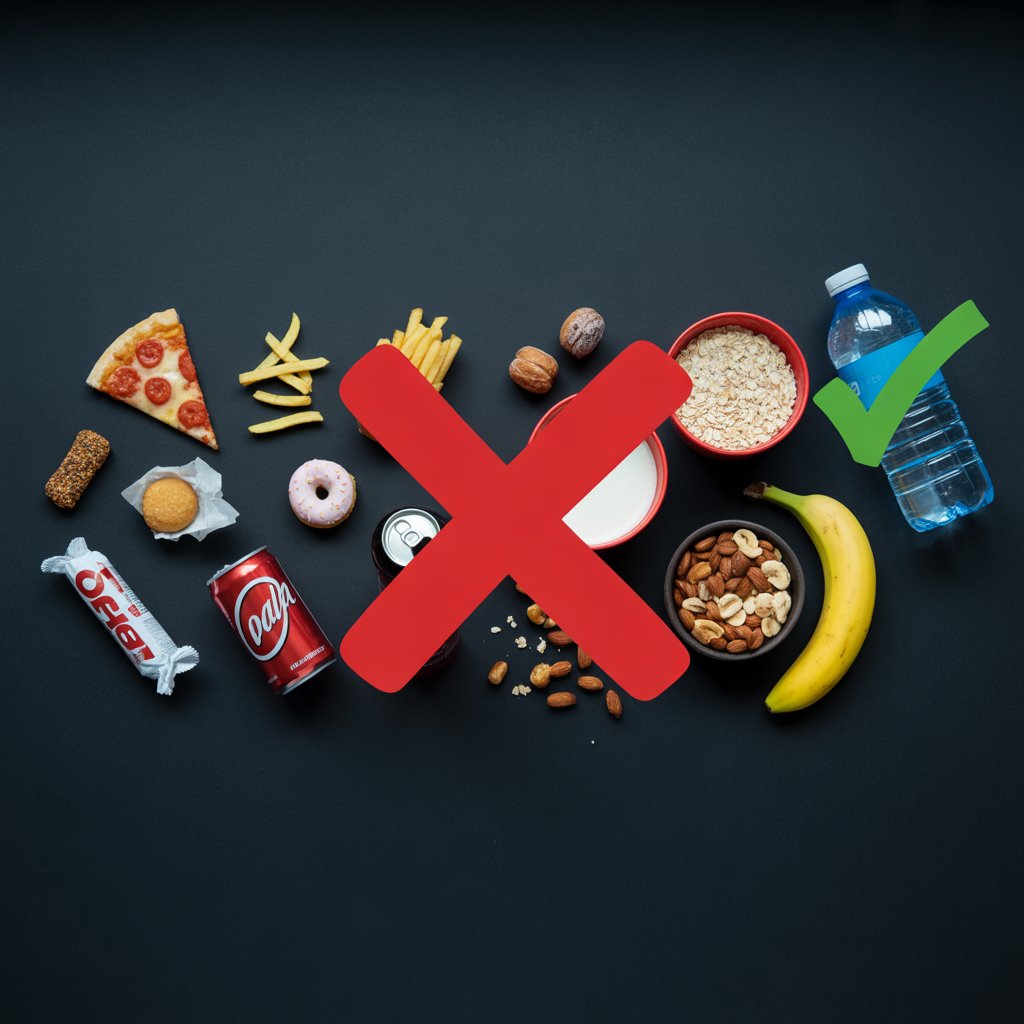
Mistake #6: Neglecting Nutrition
Here’s a truth bomb: you cannot out-train a bad diet.
If you’re killing it in the gym but eating whatever, whenever, you’re basically running in circles. Your diet directly impacts how you look, how you perform, and how you recover.
Common nutrition mistakes?
Skipping protein, then wondering why your muscles aren’t growing.
Eating way too little because you think starving yourself equals faster fat loss.
Going overboard on junk food, thinking your workouts will “cancel it out.”
Your body needs the right fuel to build muscle, burn fat, and feel amazing. Think of food as your gym’s secret weapon without it, you’re handicapping your progress.
Simple Nutrition Fixes
Eat enough protein: Around 0.8–1 gram per pound of body weight is a solid goal.
Hydrate like a boss: 2–3 liters of water daily. More if you’re sweating a ton.
Don’t demonize carbs: They’re your body’s main energy source, especially for lifting heavy.
Plan ahead: Meal prep or keep healthy snacks handy so you don’t fall into the “oops, fast food it is” trap.
Your diet doesn’t need to be flawless, just consistent. Nail this, and your progress will skyrocket faster than you think.
Mistake #7: Ignoring Mobility and Stretching
Stretching… yeah, the part most of us skip.
You finish your last set, grab your bag, and head out the door. Sound familiar?
Here’s the thing: ignoring mobility is like skipping oil changes for your car. Everything still runs until it doesn’t. Tight muscles limit your range of motion, mess with your form, and leave you more vulnerable to injuries.
Ever sit at a desk all day and then try to squat? Your hips and hamstrings are like, “Nope, not happening.” That stiffness doesn’t just feel bad it actively blocks your progress.
How to Improve Mobility
The good news? You don’t need a 30-minute yoga session every day. Just 5–10 minutes at the end of your workout can make a huge difference.
Dynamic stretches before training: Leg swings, arm circles, walking lunges.
Static stretches after training: Hamstring stretch, quad stretch, child’s pose.
Foam rolling: Helps release tight spots and improve blood flow.
Bonus tip: If you’ve never tried yoga, give it a shot. Even one session a week can improve your flexibility, balance, and overall mood.
The result? Better lifts, fewer injuries, and a body that just feels awesome.
Mistake #8: Not Tracking Progress
Imagine baking a cake but never checking the recipe or timer. You wouldn’t know if it’s ready or if you burned it to a crisp. That’s what training without tracking is like.
If you’re not logging your workouts, you’re just guessing. And guessing doesn’t build muscle or burn fat. Progressive overload the key to growth only works if you know what you’re progressing from.
How to Track Effectively
Log your lifts: Write down exercises, sets, reps, and weight each session.
Track body changes: Progress pics, measurements, or how your clothes fit.
Track performance goals: Like running faster, doing more push-ups, or hitting a new PR.
You don’t need a fancy app (though they’re cool). A simple notebook works great too.
Seeing your progress laid out is incredibly motivating. Plus, it helps you figure out what’s working and what’s not.
Mistake #9: Inconsistent Training
Here’s the thing nobody likes to admit: consistency is boring.
It’s way more exciting to do one intense, random “beast mode” workout than to show up three days a week, every week, doing similar stuff.
But here’s the truth: consistency beats intensity every single time.
If you’re skipping sessions, bouncing between programs, or ghosting the gym for weeks, you’re holding yourself back. Your body thrives on repetition and steady effort. Think of it like brushing your teeth one epic brushing session won’t save you if you skip the rest of the week.
How to Build Consistency
Be realistic: If you can only train three days a week, that’s fine. Start there.
Make it a priority: Treat workouts like appointments you can’t miss.
Do what you enjoy: Hate running? Don’t run. Love lifting? Do that.
Consistency might not be flashy, but it’s the secret weapon behind every real transformation.
Mistake #10: Comparing Yourself to Others
Ah, the comparison trap. You scroll Instagram, see someone rocking shredded abs or lifting insane weights, and suddenly you feel like you’re failing.
But here’s the thing: your journey is yours alone.
Everyone has different genetics, different circumstances, and a different starting point. Comparing your day one to someone else’s year five is just unfair.
And let’s be real social media isn’t real life. Perfect lighting, filters, and sometimes even Photoshop make those “perfect bodies” look way more flawless than they are.
Focus on Your Journey
Instead of obsessing over others, shift that energy back to yourself.
Celebrate your small wins like showing up three times this week or hitting a new PR.
Measure your progress, not theirs.
Remind yourself why you started and who you’re doing this for.
The only person you need to beat is the one you were yesterday. That’s it.
Conclusion
Making progress in the gym isn’t just about grinding harder it’s about training smarter.
If you’ve been feeling stuck or frustrated, chances are one (or more) of these mistakes has been holding you back. The good news? Now you know exactly how to fix them.
Start small. Pick one or two changes to focus on this week. Over time, those small wins will stack up into something incredible.
Your fitness journey is a marathon, not a sprint. So train hard, rest well, fuel your body, and most importantly enjoy the ride.
You’ve got this. Now go crush it.