Introduction – Why the Right Gym Equipment Matters
Starting your fitness journey is exciting no doubt about it. But let’s be real: it can also feel super overwhelming, especially the first time you walk into a gym or start thinking about building a home setup. There’s so much stuff everywhere giant machines, rows of weights, colorful resistance bands, and some contraptions you don’t even know how to use. It’s like stepping into a whole new world and thinking, “Uh, where do I even start?”
Here’s the truth: you don’t need every shiny piece of equipment to get in shape. In fact, having too much can just leave you confused and unmotivated. What you really need are a few solid, versatile pieces that help you learn proper form, build strength, and stay safe while working out. The right gear makes your workouts more effective, less intimidating, and way more fun.
Another thing to consider is whether you’ll be training at a commercial gym or setting up a home gym. Gyms are great because they have everything but they can also feel intimidating, especially when you’re still learning the ropes. A home gym gives you privacy and convenience, but you’ve gotta be smart about what to buy, especially if you’re on a budget or short on space.
In this guide, we’ll walk through the absolute must-have gym equipment for beginners. By the end, you’ll know what’s worth your money, what you can skip for now, and how to use it all to kickstart your fitness journey without stress.
Basic Gym Equipment You Should Know
When you’re starting out, it’s tempting to think you need every fancy gadget to get results. But honestly? The basics are all you need to build strength, lose fat, and create a foundation for long-term fitness.
Think of it like cooking: before you start buying complicated tools, you master the essentials like a knife and a frying pan. Same idea here. These core pieces are versatile, beginner-friendly, and perfect whether you’re at the gym or working out at home.
Dumbbells – The Versatile Classic
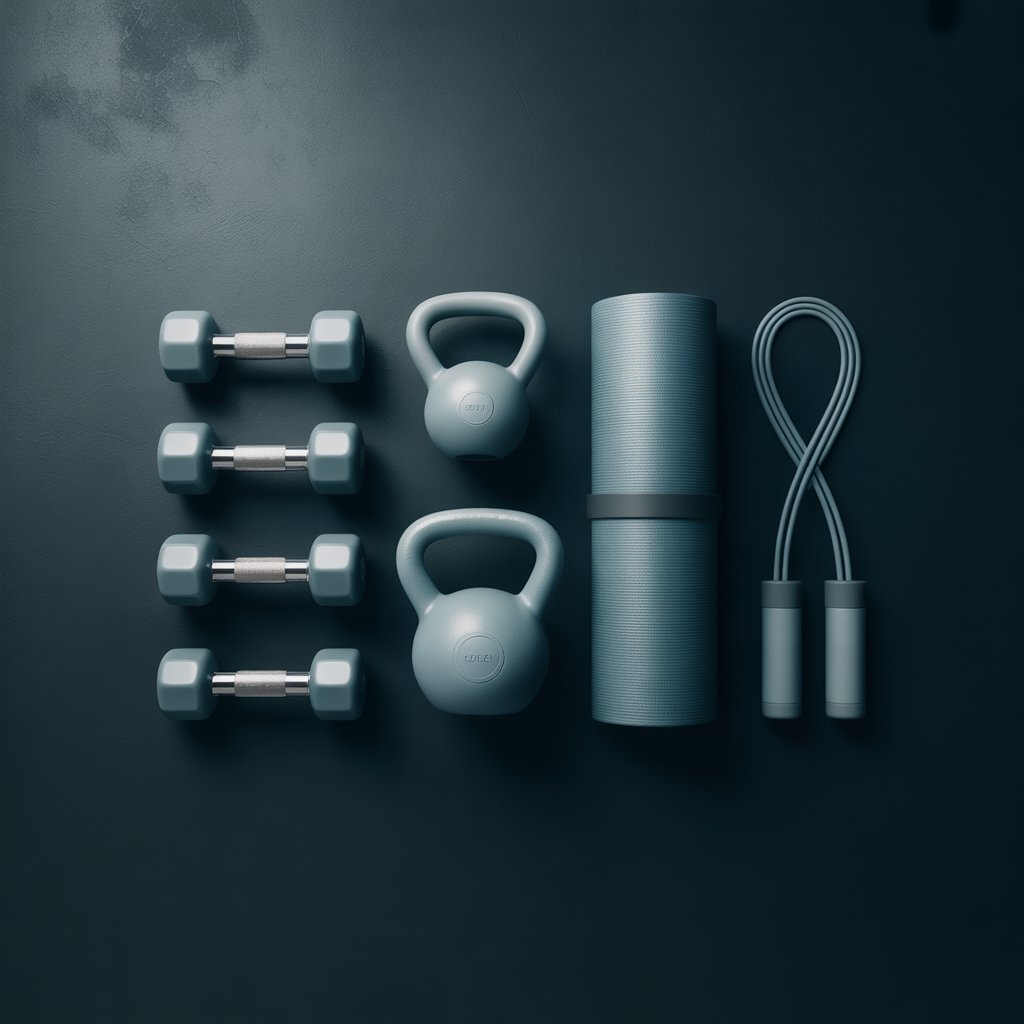
If I had to pick just one piece of gym equipment for beginners, it would be dumbbells. They’re simple, easy to use, and ridiculously versatile. With a single pair, you can train pretty much every muscle group in your body arms, chest, legs, back, even your core.
There are two main types you’ll come across:
Fixed dumbbells: The ones you see lined up in commercial gyms, sorted by weight. Super convenient, but they take up a ton of space and can get pricey for home use.
Adjustable dumbbells: These let you change the weight by adding or removing plates. They’re budget-friendly and perfect for small spaces.
The best part about dumbbells is that they allow for a natural range of motion, which is easier on your joints and better for learning proper form. Machines are great, but they don’t train your stabilizer muscles the way dumbbells do.
If you’re brand new, start with light weights. Focus on mastering foundational moves like:
Dumbbell squats
Chest presses
Rows
Shoulder presses
Deadlifts
As you get stronger, gradually increase the weight you’ll be surprised how quickly you progress.
Barbells and Weight Plates
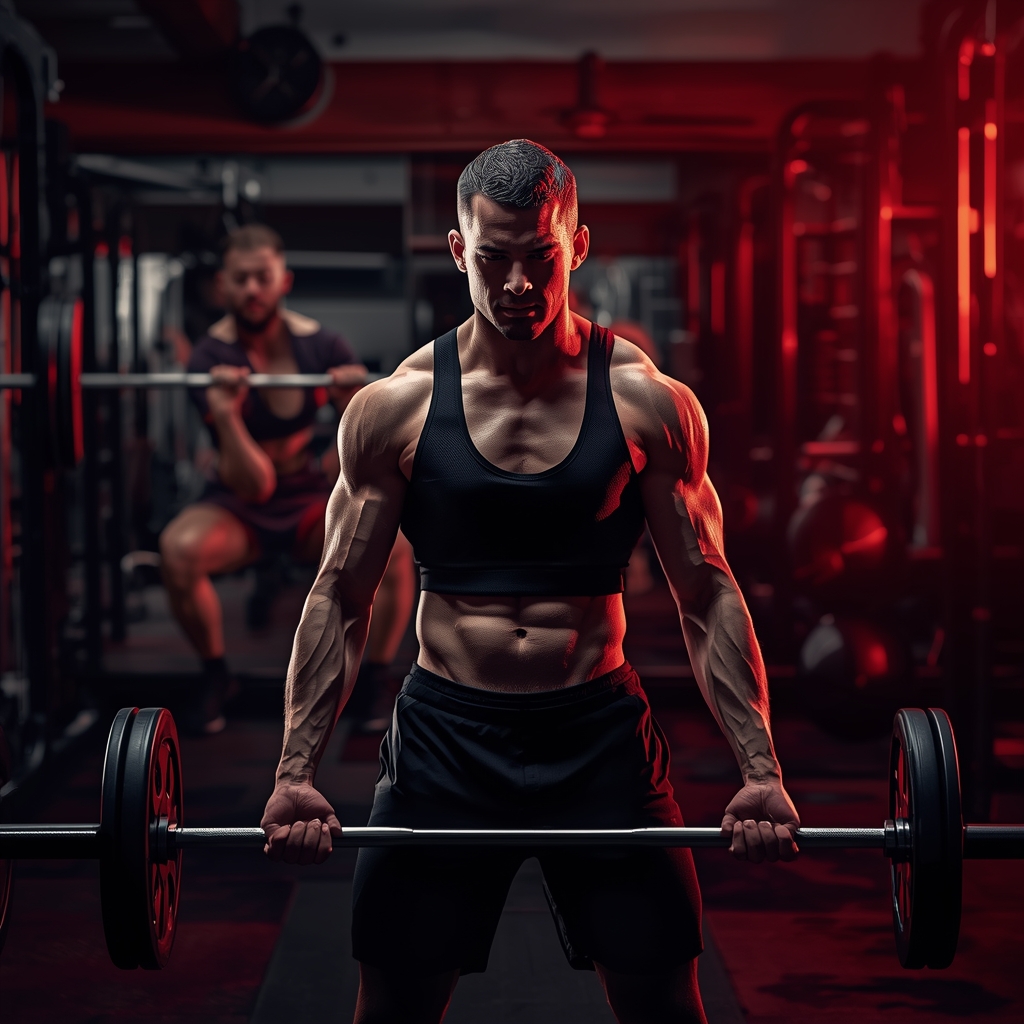
Once you’re comfortable with dumbbells, it’s time to level up with barbells. These are perfect for compound exercises moves that work multiple muscle groups at once, like squats, bench presses, and deadlifts. These are the heavy-hitters when it comes to building strength and muscle.
There are two common types:
Standard barbells: Lighter and easier to handle great for beginners.
Olympic barbells: Heavier, sturdier, and designed for advanced lifting.
Weight plates are added to the ends so you can adjust the resistance as you get stronger. Here’s my advice: don’t rush into heavy lifting right away. Nail your form first. Poor technique is a one-way ticket to injuries, and trust me you don’t want to go there.
If you’re building a home gym, a barbell, a few plates, and maybe a squat rack will give you everything you need for serious full-body workouts.
Resistance Bands
Resistance bands might look simple, but don’t underestimate them. These stretchy little things are insanely versatile. You can use them for warming up, mobility work, or even full-body strength training sessions. They’re also fantastic for improving flexibility and protecting your joints.
Here’s why I love them for beginners:
They’re cheap no need to spend big bucks.
They’re portable throw them in a backpack and take them anywhere.
They’re great for learning form without the risk of heavy weights.
You can even use resistance bands to make tough moves easier, like doing assisted pull-ups. Start with a set of bands in different resistance levels and gradually work your way up.
Essential Machines for Strength Training
Free weights are awesome, but machines definitely have their place especially if you’re just starting out. They provide stability and control, which helps you learn movements safely without worrying about balancing the weight.
Here are a few machines worth trying when you hit the gym.
Cable Machine
The cable machine is like a Swiss Army knife for your workouts. It’s incredibly versatile and perfect for beginners because it guides your movements, making it harder to mess up your form.
Some beginner-friendly cable moves:
Cable rows for your back
Triceps pushdowns
Cable lateral raises for shoulders
The constant tension from the cables also helps build muscle more effectively than some free weight exercises.
Smith Machine
The Smith machine sometimes gets a bad reputation, but it can be a lifesaver for beginners. It uses a fixed barbell that moves along a track, giving you extra stability for lifts like squats or bench presses.
It’s especially useful if you’re working out alone and don’t have a spotter. Once you’re more confident, you can transition to free weights.
Gym Accessories You Shouldn’t Ignore
It’s the little things that can make or break your workout experience. These accessories may seem small, but they’ll take your training to the next level.
Yoga or Exercise Mat
A mat isn’t just for yoga. It’s perfect for core work, stretching, and warm-ups. It keeps your joints cushioned and gives you a clean, comfortable space for floor exercises like planks or crunches.
Jump Rope
Jump ropes are underrated cardio superstars. They’re cheap, portable, and ridiculously effective at burning calories while improving coordination. Even five minutes of jumping can be a killer warm-up before lifting.
Foam Roller
Recovery matters just as much as training. A foam roller helps release muscle tension, reduce soreness, and prevent injuries. Spend a few minutes rolling out after workouts you’ll feel like a new person.
Building Your Home Gym on a Budget
Here’s a secret: you don’t need to spend thousands to create a killer home gym. Start small with affordable essentials like resistance bands, a mat, and maybe a set of adjustable dumbbells. Over time, you can add bigger items like a bench or barbell.
Pro tip: check online marketplaces for second-hand gear. People often sell barely-used equipment at a fraction of the cost. Just inspect it carefully before buying.
Conclusion – Start Small, Grow Big
Your fitness journey doesn’t need to be complicated or expensive. With just a few key pieces of equipment, you can build strength, lose fat, and create a routine you’ll actually stick with.
Start small. Focus on consistency over perfection. As you grow stronger and more confident, you can expand your setup and challenge yourself with new gear and exercises.
Remember: it’s not about having the fanciest equipment it’s about showing up, putting in the work, and building a body you feel proud of.