Introduction
Ever hit the gym and halfway through your workout, you feel off?
Maybe you’re bloated, nauseous, or just dragging your feet like you didn’t even sleep last night.
Here’s the thing it might not be your workout that’s the problem. It could be what you ate right before lacing up your shoes.
Pre-workout nutrition is a big deal. Eat the wrong foods and suddenly, instead of feeling strong and energized, you’re dealing with cramps, acid reflux, or an energy crash that leaves you barely crawling through your last set. Imagine trying to crush heavy squats while fighting heartburn or running sprints with a bloated stomach yeah, no thanks.
In this article, we’re breaking down exactly which foods to avoid before hitting the gym, why they mess with your performance, and what to eat instead. Whether you’re brand new to fitness or a seasoned gym-goer, getting this right can completely change how you feel and perform.
Why Pre-Workout Nutrition Matters
Think of your body like a high-performance car.
You wouldn’t dump random cheap gas into a sports car and expect it to run perfectly, right? The same goes for your body. The food you eat before exercising literally fuels your muscles, energy, and focus.
Eat well, and you’ll crush your workout like a machine.
Eat poorly, and you’ll feel sluggish, uncomfortable, or worse you might not even make it through your session.
Here’s what eating the wrong pre-workout meal can cause:
1 Sluggishness: Heavy foods make your body focus on digestion instead of performance.
2 Digestive disasters: Gas, bloating, and cramps can derail your entire workout.
3 Energy crashes: Sugary snacks give you a quick buzz… followed by a mid-workout crash.
And here’s the kicker timing matters too. Even healthy foods can backfire if you eat them too close to your gym session.
Ideal Macronutrient Balance
When planning what to eat before a workout, focus on your macros carbs, protein, and fats.
Carbs = Energy.
Your body’s #1 preferred fuel source.
1 Simple carbs (like fruit) = quick energy.
2 Complex carbs (like oats) = steady, long-lasting energy.
1 Protein = Muscle Protection.
A bit of protein before your workout helps prevent muscle breakdown and kickstarts recovery.
Fats = Tricky.
They’re important for overall health, but too much fat right before a workout can slow digestion, leaving you feeling heavy.
Example Meal: A bowl of oatmeal topped with banana slices and a sprinkle of nuts carbs for fuel, a touch of protein, and just a little fat for balance.
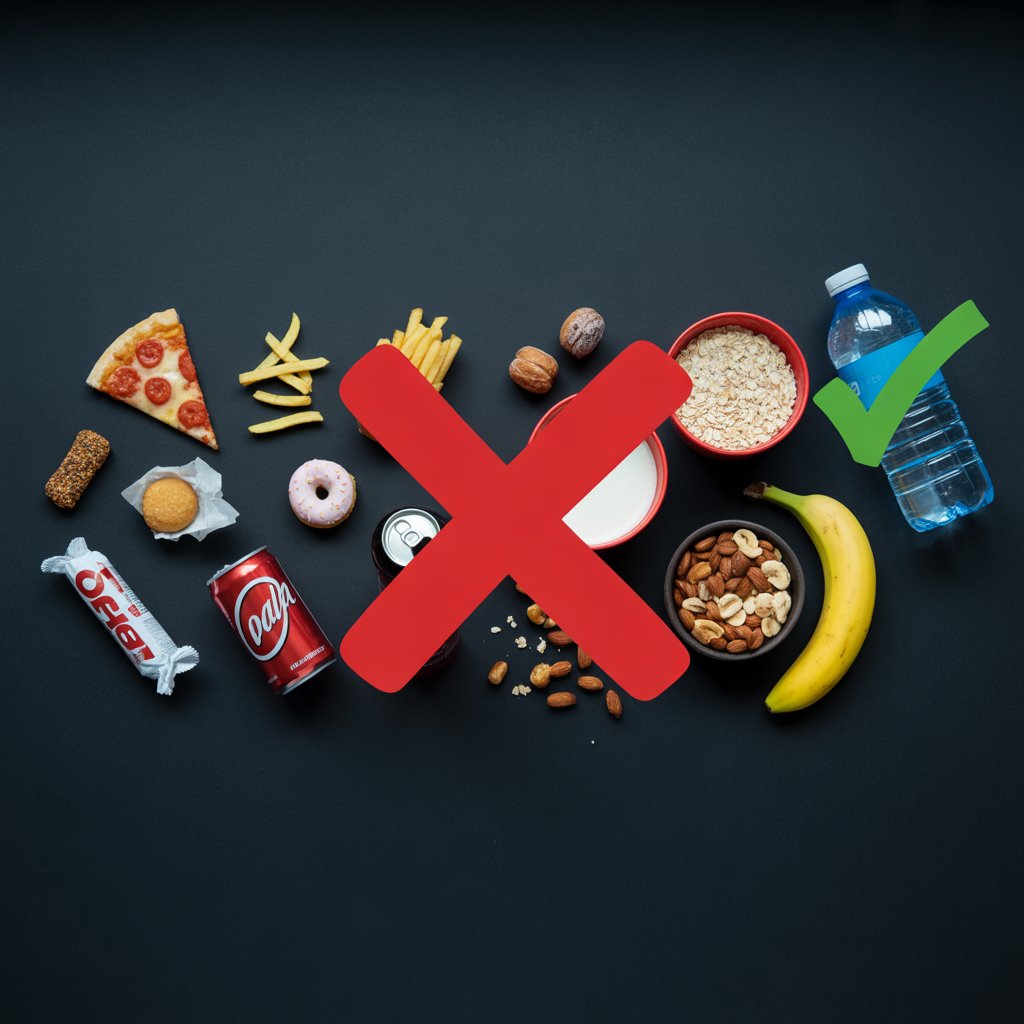
Foods to Avoid Before the Gym
Some foods are just the enemy when it comes to pre-workout fuel.
They might seem harmless, but they can secretly sabotage your performance, digestion, and energy levels.
Let’s break down the biggest offenders and what you should eat instead.
1. Greasy, Fried Foods
Greasy food is a nightmare before a workout. Fried chicken, pizza, cheesy fries they all sit in your stomach like a brick.
Your body ends up focusing all its energy on digestion instead of powering your muscles. The result?
You feel sluggish, nauseous, and way less motivated.
Common Symptoms:
1 Heavy, tired feeling
2 Stomach cramps or nausea
3 Sudden energy crash mid-workout
Examples to Avoid:
1 Burgers
2 Deep-fried snacks like samosas or nuggets
3 Pizza loaded with cheese
4 French fries or onion rings
Smart Swap:
Grilled chicken with a small portion of sweet potato or brown rice lighter, cleaner, and easy to digest.
2. High-Sugar Snacks
Sugar might feel like a quick fix, but it’s a trap.
Sure, you’ll get a burst of energy at first, but it fades fast, leaving you feeling like you’ve been hit by a truck halfway through your workout. This is the dreaded sugar crash.
Examples to Avoid:
1 Candy bars
2 Donuts or sugary pastries
3 Soda or energy drinks loaded with sugar
Smart Swap:
A banana with a spoonful of almond butter. Natural sugars + healthy fat = stable, lasting energy.
3. Too Much Fiber
Fiber is fantastic but not before you hit the gym.
High-fiber foods can cause gas, bloating, and stomach cramps when you’re moving around, especially during intense workouts like cardio or heavy lifting.
Examples to Avoid:
1 Beans or lentils
2 Cruciferous veggies like broccoli or cauliflower
3 Large bowls of whole grains or bran cereal
Smart Swap:
Easily digestible carbs like white rice, oatmeal, or a slice of whole-grain toast.
4. Dairy (If You’re Sensitive)
If you’re lactose intolerant or sensitive to dairy, steer clear before workouts.
Dairy can trigger bloating, gas, and stomach discomfort not exactly what you want while trying to hit a PR.
Examples to Avoid:
1 Milk-based smoothies
2 Cheese-heavy meals
3 Cream-based sauces or yogurt (if sensitive)
Smart Swap:
Plant-based alternatives like almond milk or soy yogurt
5. Spicy Foods
Spicy foods = heartburn and acid reflux central.
While they taste amazing, they can make your workout miserable by causing burning sensations in your chest or stomach.
Examples to Avoid:
1 Hot wings
2 Spicy curries
3 Dishes loaded with jalapeños or chili powder
Smart Swap:
Mildly seasoned lean protein like grilled chicken or baked fish.
6. Large, Heavy Meals
Even healthy food can cause problems if you eat too much of it right before a workout.
Your body will be too busy digesting to perform well, leaving you feeling slow and lethargic.
Examples to Avoid:
1 Huge bowls of pasta or rice
2 Buffet-style meals
3 Overloaded protein shakes
Smart Swap:
A smaller, balanced meal 60–90 minutes before training.
Example: Half a turkey sandwich with a piece of fruit or a light smoothie.
Timing Your Pre-Workout Meal
The timing of your meal is just as important as what you eat.
Eat too close to your workout, and you risk cramps or indigestion. Eat too early, and you might run out of energy mid-session.
General Guidelines:
1 Light snack: 30–45 minutes before working out.
2 Full meal: 1.5–2 hours before your workout.
Pay attention to how your body reacts and adjust accordingly. Everyone’s timing sweet spot is slightly different
Quick Tips to Avoid Pre-Workout Mistakes
1 Hydrate, hydrate, hydrate: Drink water before, during, and after exercise.
2 Don’t experiment before big workouts: Stick to familiar foods on training or competition days.
3 Meal prep like a pro: Avoid last-minute junk food grabs by prepping snacks ahead of time.
4 Listen to your body: If a food makes you feel bad, swap it out everyone’s digestion is different.
Conclusion
Your pre-workout meal can either fuel your success or sabotage your session.
Avoid heavy, greasy, sugary, or overly fibrous foods right before you exercise to prevent discomfort and energy crashes.
Instead, focus on light, balanced meals with clean carbs and lean protein. When you fuel your body right, you’ll power through workouts, recover faster, and feel amazing inside and outside the gym.
Remember, your fitness journey doesn’t start when you pick up a dumbbell.
It starts in the kitchen.
Fuel smart. Train hard. Crush your goals.