The Shift in the Fitness World
The fitness world isn’t what it used to be and honestly, thank goodness for that.
Back in the day, “working out” meant dragging yourself to the gym, hopping on a treadmill, lifting the same dumbbells, maybe throwing in a spin class if you were feeling fancy. Did it work? Eh, kind of. But let’s be real it also got boring.
Now things are different. People don’t just want six-pack abs or a number on the scale. You want to feel strong, move better, and maybe even enjoy the process. (Wild idea, right?) Fitness shouldn’t feel like punishment or just another box to check off your to-do list. That’s why unconventional training has started taking over.
This isn’t about sticking to rigid machines or staring at yourself in the mirror between sets. It’s about moving the way humans are supposed to move twisting, crawling, jumping, rotating, carrying weird stuff. Basically, training your body for real life, not just the gym floor. It’s playful, dynamic, and yeah sometimes straight-up weird. But weird in the best way.
And thanks to social media? It’s everywhere now. Scroll TikTok or Instagram and you’ll see people swinging steel maces, crawling like animals, slamming ropes, flipping tires, and looking like complete warriors. It’s exciting. It’s different. And most importantly it actually works.
That’s what this guide is about: what makes unconventional training so powerful, why it’s blowing up, and how you can start using it no matter your current fitness level.
What Is Unconventional Training?
Okay, so what even is unconventional training?
In simple terms: it’s working out without the boring, cookie-cutter approach most gyms still push. Forget 30 minutes on a treadmill or the same three sets of bench presses. Instead, it’s about creative movements, non-traditional tools, and exercises that make sense for the way your body actually moves in real life.
Think about it. Our bodies weren’t built just to sit, stand, and push buttons. We’re made to push, pull, climb, crawl, twist, and jump like we did as kids (or way back when survival meant more than finding the best Wi-Fi signal).
Unconventional training taps into those natural movement patterns. It works multiple muscles at once, so you’re not just “getting stronger.” You’re building coordination, balance, resilience the stuff that makes daily life easier and makes you feel like an athlete.
Take the steel mace, for example. Swinging it isn’t just for show. It builds rotational strength, grip power, and shoulder stability. Translation: you can throw a ball better, carry groceries without tweaking your back, and generally feel more capable.
Or animal flow crawling, rolling, moving like an actual creature. It looks funky, sure, but it’s insanely good for mobility, core strength, and, honestly, humility (you’ll be surprised how tough it is).
The best part? There are zero rules. You can mix in sandbag carries, kettlebell flows, rope slams, bodyweight flows whatever keeps you moving. That flexibility makes it perfect whether you’re a busy parent, an athlete, or just someone who hates the monotony of “regular” workouts.
Bottom line: unconventional training isn’t just about looking fit. It’s about being fit in a way that actually carries over to the real world.
Key Characteristics of Unconventional Training
So, what makes this style stand out from the boring “3 sets of 10” world? A few things:
1. Functional Strength Focus
What’s the point of big muscles if you can’t use them outside the gym? Unconventional training builds strength you actually need. Carrying groceries. Playing with your kids. Hiking without feeling like you’re dying.
Instead of isolating one tiny muscle, you’re using compound, whole-body movements squats with rotations, crawling, explosive lifts. It’s strength that matters in real life.
2. Unique Tools
Dumbbells and machines are fine, but unconventional training brings in the fun stuff: steel maces, sandbags, battle ropes, kettlebells. Heck, sometimes the only “equipment” you need is your own body.
These tools don’t just look cool. They challenge your muscles in brand-new ways, especially your grip and stability. Swing a steel mace once, and you’ll know what I mean.
3. Multi-Planar Movements
Life doesn’t happen in straight lines. So why train like it does?
Traditional workouts = forward/back, up/down.
Unconventional workouts = twisting, rotating, side-shuffling, crawling, flowing.
This kind of training builds athleticism, keeps your joints healthy, and makes you more resilient against injuries.
4. Playfulness + Creativity
Here’s the real secret: exercise doesn’t have to be boring.
With unconventional training, one day you’re primal crawling, the next you’re swinging a kettlebell like a Viking, and the day after that, you’re flipping a tire in your driveway.
When workouts feel like play instead of punishment, you’ll actually look forward to them. And that’s the magic trick for consistency.
Why Unconventional Training is Rising
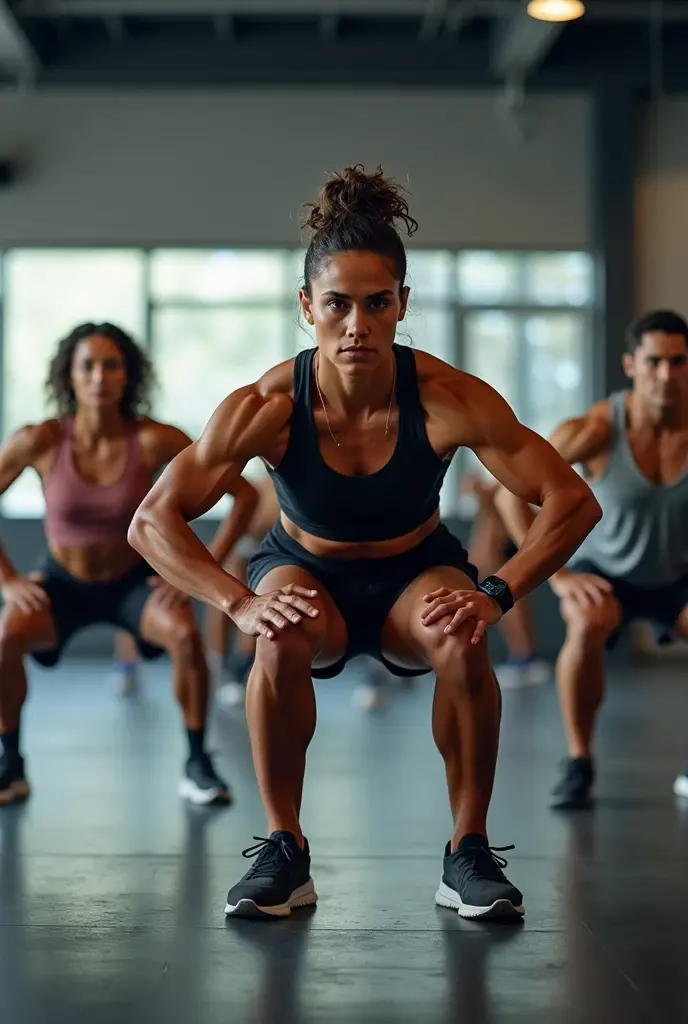
Unconventional training isn’t just a passing trend it’s a legit movement that’s shaking up how people think about fitness.
Ten years ago, if you walked into a gym with a steel mace or started crawling around like a bear, people would’ve stared like, “Uh… are you okay?” Now? It’s cool. It’s innovative. It’s everywhere.
But here’s the thing: this didn’t happen by accident. It’s the result of a perfect storm — people getting bored of cookie-cutter gym routines, realizing functional movement actually matters, the boom of social media fitness, and of course, a pandemic that shoved us all into living rooms and backyards with zero equipment. Suddenly, being creative wasn’t optional. It was survival.
And now we’re in this new era of fitness where aesthetics are only half the story. Sure, a six-pack is nice, but most of us care just as much about being pain-free, agile, and ready for whatever life throws our way. That’s exactly where unconventional training shines with a big ol’ side of fun.
Let’s dig into why it’s blowing up
1. Fitness Burnout with Traditional Gyms
Be honest: traditional gym workouts can be soul-sucking.
You walk in, wait around for machines, grind through the same three sets of ten, stare at yourself in the mirror between reps, and then… leave. Rinse, repeat. After a while, it feels less like working out and more like serving time.
That’s why so many people lose motivation. You start counting down the minutes until it’s over, and eventually, you skip it altogether. (We’ve all been there.)
Unconventional training flips that on its head. Instead of mindless reps, you’re flipping a sandbag, swinging a kettlebell, crawling across the floor like some primal creature. Suddenly, your workout isn’t just a workout it’s an experience.
And it’s not just fun it’s effective. Variety keeps your body guessing, which means no more endless plateaus. Plus, the rush you get from finally nailing a new skill like your first clean mace swing is addictive in the best way.
Bottom line: unconventional training makes fitness exciting again. You stop dreading it, and you actually want to show up.
2. The Demand for Functional Fitness
Here’s a question: what’s the point of being “gym strong” if you throw your back out picking up a laundry basket?
More people are starting to realize that fitness isn’t just about what you can bench it’s about how you move in the real world. And that’s where unconventional training comes in hot.
These movements mirror real life: twisting, reaching, pulling, carrying, rotating. They train your body to be useful, not just aesthetic.
Think about it: carrying heavy groceries without fumbling, playing with your kids without worrying about tweaks, hiking a tough trail without huffing and puffing that’s real fitness. Even athletes rely on this style because sports (and life) don’t happen in straight lines.
Unconventional training makes you stronger, yes. But it also makes you more stable, balanced, and capable when things get unpredictable like slipping on ice or lunging to catch something before it hits the floor.
That’s why “functional” isn’t just a buzzword anymore. It’s become non-negotiable.
3. Social Media’s Mega Influence
Like it or not, social media has flipped the fitness industry upside down.
A bicep curl? Snooze.
A steel mace swing or panther crawl? Instant scroll-stopper.
Unconventional training just looks good on camera. It’s flashy, dynamic, and a little weird which is exactly why it goes viral. Influencers know this, and they’ve run with it.
But it’s not only about the “wow” factor. Social media has also built entire communities around these movements. You can hop online right now and find groups dedicated to kettlebell flows, animal movements, or mace training. People post their progress, share tips, cheer each other on. And that sense of belonging? Huge for motivation.
So yeah, social media didn’t just popularize unconventional training. It turned it into a global movement.
4. The Post-Pandemic Fitness Revolution
Ah yes, the pandemic the great equalizer of fitness.
Gyms shut down. Equipment sold out. Everyone was suddenly stuck at home, staring at a yoga mat like, “Now what?”
At first, it was chaos. Zoom workouts, water bottles as dumbbells, resistance bands snapping mid-squat. But here’s the upside: it forced people to get creative. And once folks tried bodyweight flows, kettlebell circuits, or sandbag workouts, they realized something: this stuff works.
Fast forward, and even though gyms are open again, many never went back to the old way. Why? Because unconventional training is flexible. You can do it in your living room, at the park, or in your driveway while the kids run around. One kettlebell or mace can give you more variety than an entire row of machines.
The pandemic didn’t just change where we work out. It changed how we think about fitness. And unconventional training is leading that shift.
Benefits of Unconventional Training
Unconventional training isn’t just some flashy TikTok trend it’s legit effective. We’re talking strength, cardio, mobility, and even mental focus all packed into one workout.
Traditional workouts? They can feel repetitive, limited, and let’s be honest sometimes like a chore. But unconventional training? It builds a body that doesn’t just look good it moves better, feels stronger, and lasts longer.
Whether you wanna get stronger, torch fat, or just feel damn good in your own skin, this style delivers results a treadmill never could. Let’s break down the good stuff:
1. Full-Body Engagement
Forget isolating one tiny muscle at a time. With unconventional training, everything works together.
Movements like kettlebell swings or battle rope slams don’t just hit your arms or legs they light up your core, your grip, your coordination, your everything. It’s like upgrading your whole operating system in a single session.
Plus, it’s way more time-efficient. Why spend an hour doing five different machines when you can get a full-body sweat in 20 minutes with a kettlebell?
2. Mental Stimulation
Here’s the thing boring workouts kill motivation. If you’re zoning out on the treadmill, you’re already halfway to quitting.
Unconventional training keeps your brain switched on. Every new movement is a little puzzle: how do I crawl like this? How do I flow from one mace swing to the next without dropping it on my foot? It’s challenging, it’s humbling, and weirdly enough it’s fun.
That mental engagement boosts focus, sharpens your coordination, and keeps you actually wanting to come back.
3. Injury Prevention & Longevity
Traditional training sometimes creates imbalances like when someone benches a ton but can’t touch their toes. Not great.
Unconventional workouts focus on natural movement patterns, the kind your body was built for: twisting, crawling, bending, carrying. This improves mobility and stability, which means fewer injuries and less wear and tear.
It also strengthens the little things most people ignore joints, connective tissue, stabilizer muscles. That’s the secret sauce for staying active and pain-free as the years stack up.
4. Versatility & Accessibility
Here’s a huge win: you don’t need a giant gym or ten machines.
With just one tool a kettlebell, a sandbag, even just your own bodyweight you can create endless workouts. And you can do them anywhere: at home, outside in a park, in your driveway while your kids chase each other around.
It’s fitness that bends to your lifestyle instead of the other way around.
Conclusion: Embrace the Future of Fitness
The future of fitness isn’t about fancier machines or spending endless hours grinding in the gym. It’s about training smarter, moving better, and actually enjoying the process. That’s exactly what unconventional training delivers. It’s not just a workout — it’s an experience. Playful, challenging, sometimes downright weird… and honestly, addictive once you get into it.
Think about it when was the last time you really looked forward to a workout? Not because you “had to,” but because you were excited to try a new kettlebell flow, nail a mace swing, or crawl across the floor like some primal beast? That’s what this style brings back: the spark. The fun. The curiosity.
And the best part? Every rep builds strength you can actually use in real life. Carrying groceries without tweaking your back. Keeping up with your kids at the park. Crushing a spontaneous hike without feeling like you’re gonna collapse halfway through. This isn’t just fitness for the mirror it’s fitness for life.
You don’t have to go all in, either. Start small. Try one movement. One tool. One flow. See how your body feels. Chances are, you’ll surprise yourself and maybe even get hooked.
Because here’s the truth: the fitness world is changing. Fast. And this isn’t some shiny fad that’ll burn out in a year. It’s a shift toward something better creative, functional, fun.
So the real question is: are you gonna keep trudging through the same old routine… or are you ready to break the mold and step into the future of fitness?
Because honestly you deserve workouts that make you stronger and make you smile.