What is Insulin and Why It Matters
Insulin: Insulin is a hormone made by your pancreas Its main job is to help your body use or store sugar (glucose) from the food you eat.
When you eat something (especially carbs), your blood sugar goes up. Insulin helps move that sugar **into your cells to be used as energy or stored for later. Insulin Sensitivity vs. Insulin Resistance insulin Sensitivity (Good)
1 Your cells respond well to insulin. 2 Your body needs less insulin to process sugar. 3 Keeps blood sugar levels stable and healthy 4 Linked with **better health lower risk of diabetes, heart disease, and obesity.
Improved by: 1 Exercise 2 Healthy weight 3 Good sleep 4 Balanced diet Insulin Resistance (Bad)
1 Your cells don’t respond well to insulin. 2 Your body needs more insulin to control blood sugar. 3 Over time, the pancreas can’t keep up, and blood sugar stays high 4 Leads to type 2 diabetes , weight gain, and other diseases.
Caused by: 1 Being inactive (no exercise) 2 Eating junk/processed food 3 Belly fat 4 Chronic stress 4 Lack of sleep 7 Foods to Improve Insulin Sensitivity Here are 7 science-backed foods that help your body respond better to insulin - 1. Whole Grains
Examples: Quinoa, Brown rice, Oats, Whole wheat, Barley
Why they help: High fiber Slows digestion = no sugar spike. Low glycemic index (GI): Won’t spike blood sugar quickly. * Nutrients: Full of B-vitamins and minerals.
Benefit: Keeps your blood sugar stable and **lowers risk of diabetes 2. Leafy Greens
Examples: Spinach, Kale, Collard greens
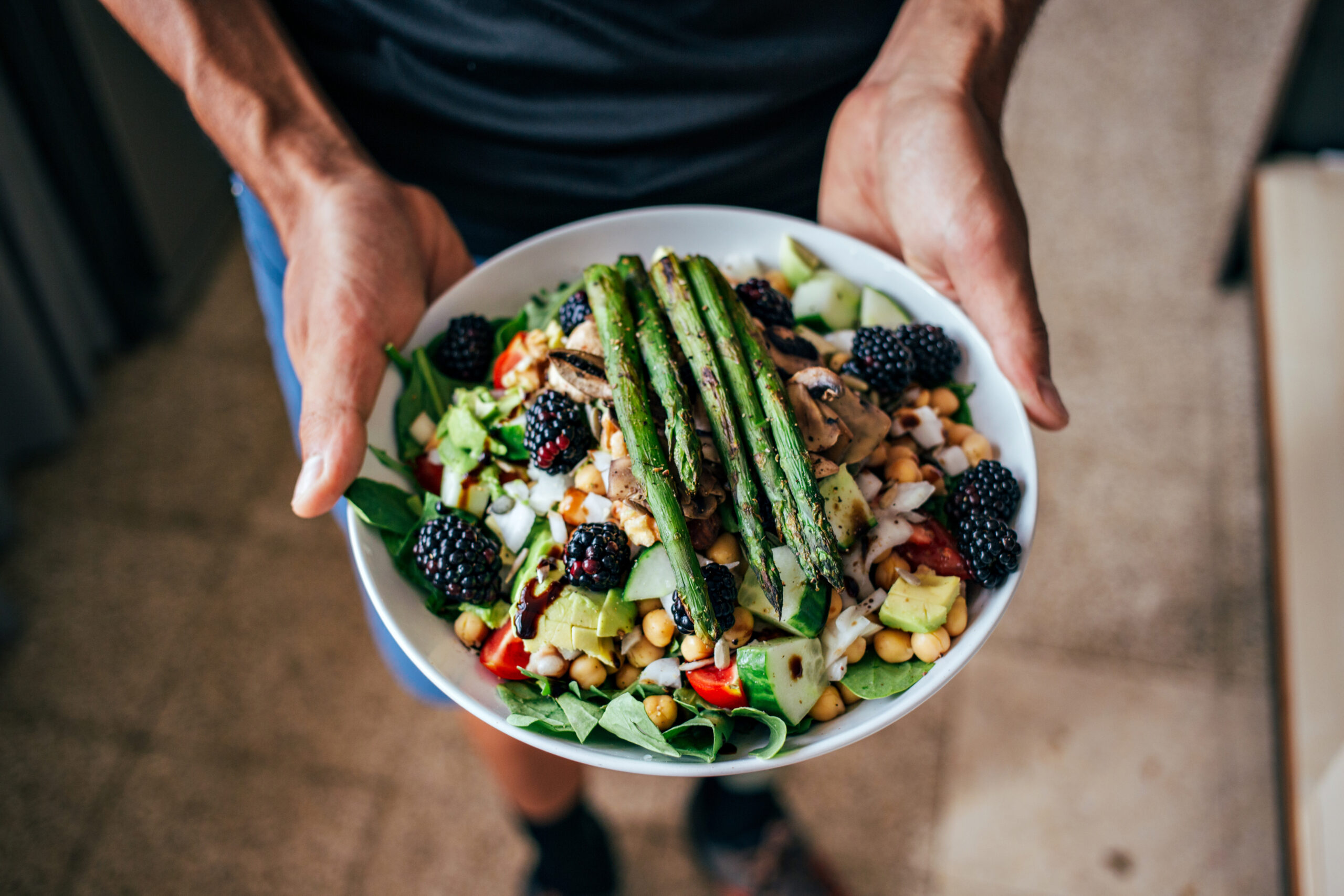
Why they help: 1 Low in carbs, high in fiber **vitamins antioxidants 2 Help reduce inflammation (a key cause of insulin resistance). 3 Aid in weight loss , which improves insulin sensitivity.
Benefit: Keeps your body working efficiently and helps fight belly fat. 3. 🐟 Fatty Fish
Examples: Salmon, Mackerel, Sardines, Herring
Why they help:
1 Rich in omega-3 fatty acids (EPA and DHA). 2 Omega-3s reduce inflammation and protect against heart disease. 3 Help improve cell response to insulin
Benefit: Reduces inflammation and boosts insulin function 4. Legumes
Examples: Lentils, Chickpeas, Black beans, Kidney beans
Why they help:
1 High in fiber and protein . 2 Very low glycemic index = slow release of sugar. 3 Keeps you full and reduces need for insulin spikes.
Benefit: Improves blood sugar control and helps with weight management. 5. Nuts and Seeds
Examples: Almonds, Walnuts, Chia seeds, Flaxseeds
✅ Why they help:
1 Packed with healthy fats fiber, and antioxidants. 2Lower blood sugar response after meals. 3Help reduce inflammation and insulin resistance**.
Benefit: Improves heart health + supports insulin sensitivity. 6. 🍓 Berries
**Examples:** Blueberries, Raspberries, Blackberries
✅ Why they help:
* High in **antioxidants** like anthocyanins. * Fight **oxidative stress** and **inflammation**. * Don’t spike blood sugar like other sweet fruits.
📊 Benefit: Delicious and great for **glucose control**.
---
### 7. 🥣 Greek Yogurt
✅ Why it helps:
* High in **protein** = keeps you full longer. * Contains **probiotics** = good for **gut health**. * Healthy gut = better **insulin function** and **less inflammation**.
📊 Benefit: Great snack for blood sugar and digestion.
---
## 🛡️ Final Thoughts: Fight Back Against Insulin Resistance
**Why this matters:**
* If you ignore insulin resistance, it can lead to **diabetes**, **weight gain**, **fatigue**, and **heart problems**. * You can reverse it early with **diet and lifestyle changes**.
---
### 🧪 What to Do:
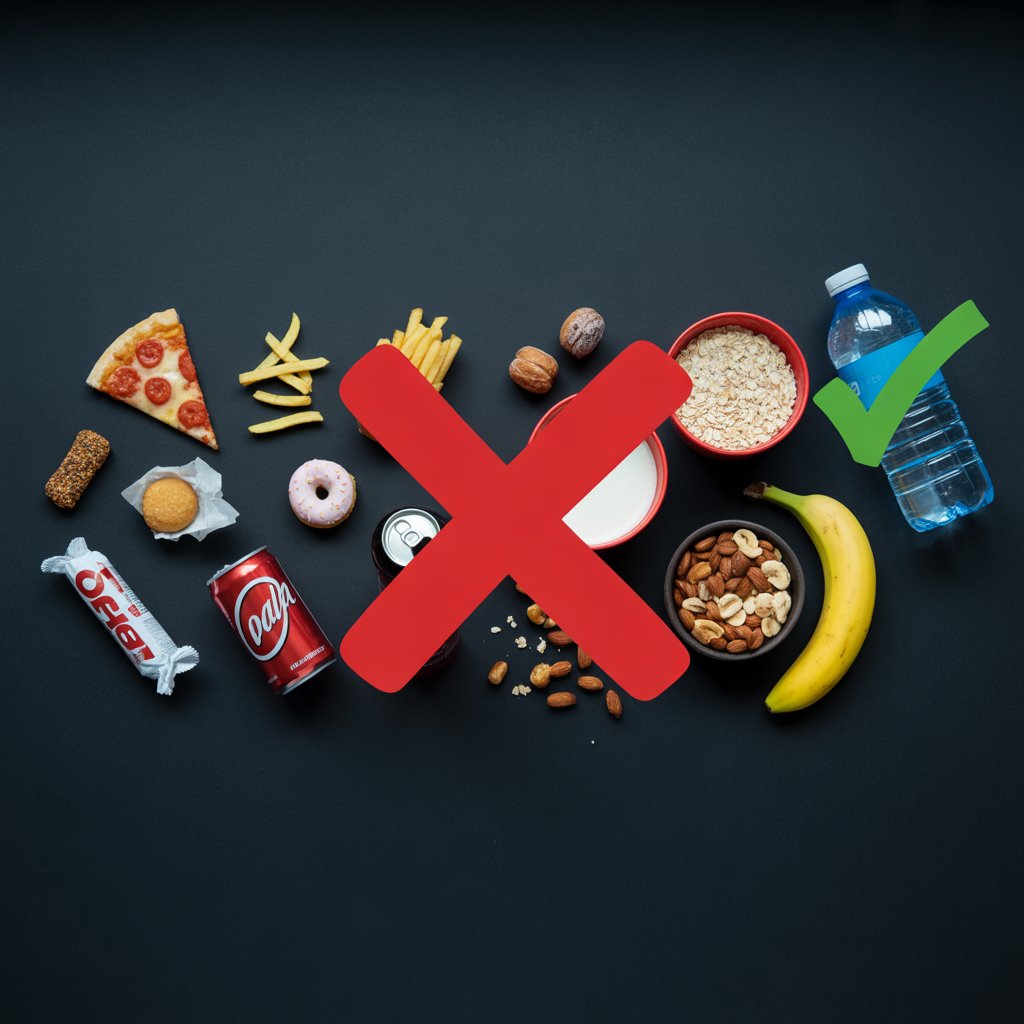
✅ Eat more of the 7 foods above ✅ Exercise 30 mins/day ✅ Sleep 7–8 hours ✅ Reduce stress ✅ Avoid sugar, processed food, soda Bonus: Why This Article Helps If you're: 1 Gaining weight around the belly 2 Feeling tired after eating 3 Craving sweets 4 Experiencing sugar crashes