Introduction: The Battle Between Fasting and Dieting
Let’s be real losing weight is hard. If you’ve ever tried to shed a few pounds, you know the drill: you start a new diet all fired up, swear off pizza and dessert, maybe even download a calorie-counting app. For the first week or two, you’re feeling pretty proud of yourself. Then… life happens. You grab a “cheat meal” here, a snack there, and before you know it, you’re right back where you started. Sound familiar?
It’s frustrating, isn’t it? Traditional diets almost feel like a punishment. You’re constantly hungry, always thinking about what you can’t eat, and living in fear of “falling off the wagon.” And even when you do stick to it, the weight often creeps back the second you go back to “normal” eating. Ugh.
Here’s the thing: it’s not your fault. Diets are set up to fail because they focus on the wrong thing what you eat. That’s why so many people are turning to intermittent fasting (IF). It flips the script completely by focusing on when you eat instead. No more obsessing over every calorie or cutting out your favorite foods. Just a simple shift in timing that changes everything.
And the best part? It’s not just about dropping pounds. People who fast often notice higher energy, sharper focus, and even better moods. It’s like a total health upgrade.
In this article, we’re going to dig deep into why intermittent fasting works so well and why it blows traditional dieting out of the water. By the time you’re done reading, you’ll see why millions of people swear by it (and why you might never go back to dieting again).
What is Intermittent Fasting (IF)?
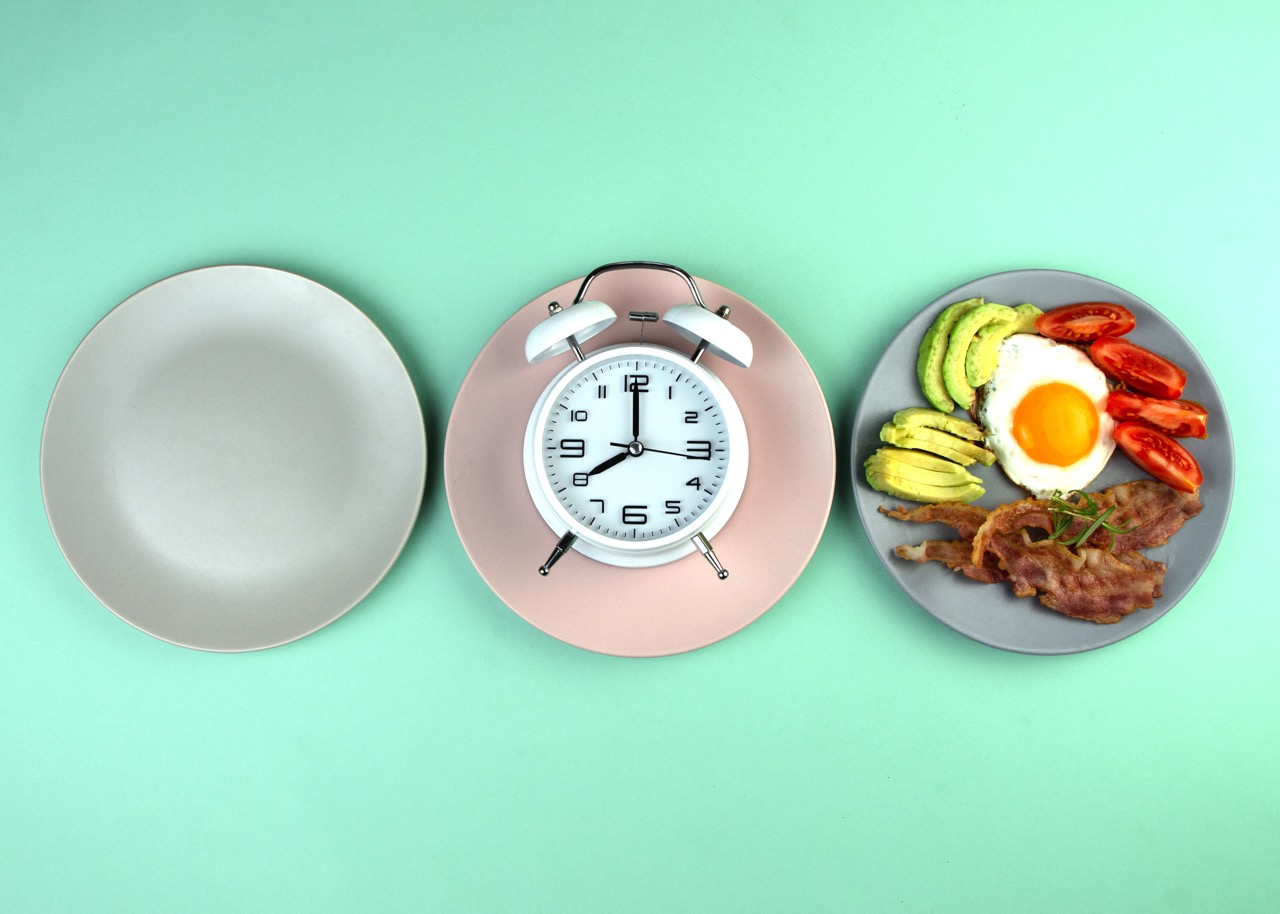
Here’s the thing about intermittent fasting: it’s not a diet. No crazy meal plans, no cutting out entire food groups, no obsessing over carbs. It’s simply a pattern of eating where you alternate between periods of eating and fasting. Basically, you give your body a break from constant munching something our ancestors did naturally back when food wasn’t available 24/7.
Think about it: humans didn’t evolve with fridges full of snacks or DoorDash deliveries. There were times when we had to go without food, and our bodies got really good at running on stored energy (a.k.a. fat) during those breaks. That’s exactly what happens with intermittent fasting.
When you stop eating for a while, your insulin levels drop, and your body flips a metabolic switch instead of burning sugar for energy, it starts burning stored fat. This is why fasting is such a powerful tool for weight loss, and honestly, it just makes sense.
But here’s what makes IF really cool: flexibility. You don’t have to give up your favorite foods or follow some rigid “eat this, not that” plan. You just eat during a certain window and fast the rest of the time. That’s it. You’re in control, and it actually feels doable which is why people stick with it way longer than a traditional diet.
Popular IF Methods
There are a few different ways to do intermittent fasting, and you can totally pick the one that fits your life. No one-size-fits-all nonsense here:
The 16:8 Method – Probably the most popular starting point. You fast for 16 hours (yes, sleep counts!) and eat during an 8-hour window. For example, you might eat between noon and 8 p.m. Easy, right?
The 5:2 Method – Eat like you normally do five days a week. On two non-consecutive days, you drop your calorie intake to about 500–600.
OMAD (One Meal a Day) – This one’s for the hardcore crowd. You eat all your calories in one big, satisfying meal, then fast the other 23 hours.
Whichever method you try, the goal’s the same: give your body enough fasting time to reset, burn fat, and repair itself.
If you’re just starting out, I’d recommend the 16:8. It’s simple, doesn’t feel extreme, and lets you get used to fasting without feeling like you’re suffering. Plus, you get to keep enjoying the foods you love just in a smarter, more strategic way.
Why Most Diets Fail (and Leave You Frustrated)
Let’s be real for a second: most diets suck.
You start out pumped, right? Maybe it’s the first week of January and you’ve sworn this year will be different. Or maybe you just saw a photo of yourself that made you go, “Whoa… is that really me?” So, you grab a shiny new diet plan and dive in headfirst.
At first, it feels pretty good. You’re motivated, you’ve got your Tupperware meals lined up like a pro athlete, and you’re tracking every single calorie like a scientist in a lab.
But then… life happens.
A birthday party rolls around. A stressful day at work makes that drive-thru burger look way too tempting. Or maybe you just can’t stop thinking about chocolate like, literally every five minutes. Before you know it, you’re elbow-deep in a family-size bag of chips, telling yourself, “It’s fine, I’ll start over on Monday.”
Sound familiar? Yeah, me too.
And here’s the thing it’s not your fault. Seriously. You’re not lazy, you don’t lack willpower, and you’re definitely not broken. It’s the diet that’s broken. Most diets are set up to fail from the start, and here’s why:
1. Constant Hunger = Constant Misery
Most diets come down to one basic rule: eat less.
Sounds simple, right? Except… your body doesn’t see it that way.
When you slash your calories, your body basically freaks out. It thinks you’re in the middle of a famine, so it cranks up your hunger hormones like ghrelin which, by the way, is like your internal snack monster. Suddenly, every food ad, every smell, every cookie on your coworker’s desk feels like it’s calling your name.
You end up stuck in this terrible loop:
Eat less → feel hungry → obsess about food → cave → feel guilty → repeat.
It’s exhausting. And honestly? Who wants to live like that forever? No wonder most people throw in the towel after a few miserable weeks.
2. Diet Fatigue Is Real
Ever try a diet that felt like a second job?
You’re spending Sundays meal-prepping, carrying little containers everywhere, counting macros like some sort of math teacher, and googling “low-carb snacks” at 1 a.m.
At first, you might be all in. But over time, it wears you down mentally and emotionally. That’s diet fatigue, and once it kicks in, sticking to the plan feels impossible. You get tired of thinking about food all the time. You start wondering if you’re ever going to eat a normal meal with your friends again without stressing over it.
Eventually, your brain just says, “Nope. We’re done here.”
3. Crash Diets Mess With Your Metabolism
Here’s the part most diet gurus don’t tell you: extreme dieting wrecks your metabolism.
Your body is smart when you suddenly eat way less, it thinks you’re in danger. So, it slows down your calorie-burning to save energy, like flipping on a survival mode switch.
At first, the scale might drop quickly, and you’re all excited. But then, progress stalls. And when you inevitably go back to eating like a normal human being? BAM the weight comes back… sometimes with a little extra.
That’s the dreaded yo-yo effect:
Lose weight fast → metabolism tanks → regain weight (plus a few bonus pounds).
And it’s not just frustrating. It’s downright depressing.
4. The Guilt Spiral
This one’s the worst. Most diets are so strict that one “cheat meal” feels like total failure.
You have one slice of cake, and suddenly you’re thinking, “Welp, I ruined my diet. Might as well eat the whole thing now.”
And then you do.
And then you feel awful about it.
And then you promise yourself you’ll “be better” tomorrow… or Monday… or next month.
Sound familiar? It’s a vicious cycle, and it’s all fueled by guilt.
The Bottom Line
Traditional diets don’t fail because you fail.
They fail because they rely on willpower and willpower is a limited resource. It runs out. And when it does, you’re left feeling defeated and miserable.
But here’s the good news: it doesn’t have to be this way.
This is exactly where intermittent fasting swoops in like a hero in a cape. It’s not about eating less food forever or obsessing over every bite. It’s about working with your body instead of fighting it every step of the way.
And honestly? It feels so much easier almost like you’re cheating the system.
Next up, let’s talk about why intermittent fasting works so differently, and why once you try it, you might never want to “diet” again.
How Intermittent Fasting Works Differently
Alright, so we’ve established that most diets are a total pain and often set you up to fail.
Now let’s talk about why intermittent fasting (IF) is a completely different ballgame and why it actually feels easier than dieting once you get into the groove.
The secret? It doesn’t make you fight your body every step of the way. Instead, it works with your natural rhythms, hormones, and hunger signals. Basically, it’s like hitting a big reset button for your metabolism. Here’s how:
1. Natural Calorie Reduction Without Food Obsession
When you shorten your eating window, you naturally end up eating fewer calories without counting them like a math test.
Think about it. If you normally snack all day from morning until bedtime, that’s a whole lot of extra opportunities to overeat. But if you only eat between, say, 12 p.m. and 8 p.m., you automatically cut out those mindless morning snacks and late-night munchies.
The best part? You don’t feel like you’re “dieting.” You can still enjoy the foods you love during your eating window. It’s just a matter of timing, not restriction. And when you’re not constantly thinking about food, you’re a lot less stressed.
2. Your Hormones Actually Help You Burn Fat
Here’s the science-y part but don’t worry, we’ll keep it simple.
When you fast, insulin levels drop.
Insulin is basically your body’s fat-storage hormone. When it’s high (like after constant snacking), your body stores energy instead of burning it. When it drops, you finally get access to your stored fat and start burning it for fuel.
Fasting also increases human growth hormone (HGH), which helps preserve muscle and torch fat. So, instead of your body eating away at your muscles during weight loss (like with crash diets), you actually protect that lean muscle tissue.
Oh, and there’s this fancy process called autophagy, where your body cleans out old, damaged cells during fasting. Think of it like spring cleaning for your insides.
4. Hunger Actually Goes Down Over Time
At first, fasting might feel a little weird. You might get hungry or cranky during those fasting hours totally normal.
But here’s the cool thing: your body adjusts. Over time, your hunger hormones balance out, and those intense cravings start to fade. Many people actually report feeling less hungry once they’ve been fasting for a few weeks.
Imagine not constantly battling your appetite. Sounds like a dream, right?
Key Benefits of Intermittent Fasting
Let’s talk about the good stuff. Intermittent fasting isn’t just about fitting into your jeans (though, hey, that’s a nice bonus). It comes with a whole list of health perks:
Effortless weight loss – You’re not fighting constant hunger or counting every calorie.
More energy & mental clarity – Many people notice they feel sharper and more focused during fasting periods.
Better digestion – Your gut finally gets a break to heal and reset.
Long-term health protection – Studies suggest IF can reduce your risk of type 2 diabetes, heart disease, and even slow down aging.
Simplicity – No meal plans, no fancy supplements, no nonsense. Just a clear, simple schedule
Who Should Avoid Intermittent Fasting
While IF is great for many people, it’s not for everyone.
If you fall into one of these categories, you’ll want to either skip it or get medical guidance:
Pregnant or breastfeeding women
Anyone with a history of eating disorders
People with diabetes or serious blood sugar issues
Those taking medications that must be taken with food
Conclusion: Why Fasting Wins Every Time
Here’s the truth: most diets are like short-term Band-Aids. They might work for a little while, but they leave you hungry, frustrated, and stuck in a cycle of losing and regaining the same weight.
Intermittent fasting is different. It’s not a diet, it’s a lifestyle shift one that’s simple, flexible, and surprisingly freeing. Instead of obsessing over every bite, you just focus on when you eat. And in return, your body rewards you with fat loss, steady energy, and better health.
If you’ve been burned by diets in the past, maybe it’s time to try something new. Give intermittent fasting a few weeks and see how your body responds. You might be shocked at how natural and doable it feels.
Because at the end of the day, the best plan isn’t the one that’s “perfect” it’s the one you can actually stick with.
And for millions of people around the world, intermittent fasting has been that game-changer.