Introduction
Living with a chronic condition can feel like a never-ending to-do list, right? Doctor’s visits, meds, rules about what you should and shouldn’t eat… it’s a lot. But here’s the thing: one of the best tools you’ve got isn’t in a pill bottle it’s on your plate. Food. What you eat can change how you feel day to day, how your body runs, and even how well you keep your condition under control.
Think about it. Blood sugar swings? Food. Achy joints? Food can help or make it worse. Constant fatigue? Yep, food again. If you’re dealing with diabetes, heart disease, arthritis, digestive issues you name it the meals you pick either help you out or pile on more problems.
The good news? Eating better doesn’t have to mean giving up pizza forever or jumping on some weird fad diet. It’s about smart, doable changes that actually stick. In this guide, I’ll walk you through simple diet tips you can start right now. Stuff that works across different conditions, plus a few specific examples for common ones
Understand the Role of Nutrition in Chronic Illness
Here’s the truth: food isn’t just calories. It’s information for your body. The stuff you eat talks to your immune system, messes with your hormones, and even changes how well your meds do their job.
If you’re living with something like diabetes or high blood pressure, you’ve probably noticed how your choices hit you almost immediately. Too much sugar? Blood sugar spikes, and you’re wiped out. Salty, processed food? Your blood pressure shoots up. And if you’ve got arthritis, you might swear your joints can tell when you’ve had one too many fried snacks.
What you eat, over time, can either give your body a fighting chance or make life a lot harder. That doesn’t mean you have to eat perfectly (more on that in a sec). It just means seeing food less like a “diet” and more like a daily medicine cabinet. Every meal is a chance to either help yourself heal or slow yourself down.
How food impacts inflammation, blood sugar, and energy
Let’s get real. You’ve probably noticed how some meals leave you ready to nap while others keep you going. That’s not in your head that’s blood sugar and inflammation at work.
Inflammation is your body’s alarm system. A little is fine, it fights off germs. But if you’re constantly setting it off with sugary snacks, fried foods, or soda, your body never gets to calm down. That’s why arthritis feels worse or why your heart feels stressed.
Same deal with blood sugar. A donut might taste great, but the spike-and-crash rollercoaster leaves you cranky and tired. Over time, it’s rough on your organs. Compare that to eating something like oatmeal with berries and nuts slower burn, steady energy, no crash.
And let’s not forget energy. If you’re tired all the time, look at your plate. Whole grains, veggies, lean protein? They’ll keep you fueled. A fast-food meal loaded with fries? You already know how that ends.
The importance of consistency over perfection
Here’s where a lot of people trip up: they aim for perfect. They’ll say, “Okay, starting Monday I’m cutting sugar forever,” and by Thursday they’re face-deep in ice cream. Sound familiar? Yeah, me too.
The truth is, it’s not about being perfect it’s about being consistent. If most of your meals are balanced, you’re winning. One cookie isn’t going to ruin your health. But if you throw in the towel every time you slip up, that’s when the real trouble starts.
Think of it like saving money. Skipping one deposit doesn’t make you broke, but skipping every deposit? You’ll feel it. Same with food. Small, steady choices add up big over time.
So next time you “mess up,” don’t beat yourself up. Just move on and get back to it. Your body doesn’t need perfect it needs a steady rhythm of good fuel most of the time.
Core Healthy Eating Principles
So let’s be real. You’re probably wondering, “What does a healthy plate even look like when I’ve got a chronic condition to deal with?” Honestly, it’s not as complicated as it sounds. Whether you’re managing diabetes, arthritis, or high blood pressure, the basics don’t really change. Forget the latest diet trend you saw on Instagram. Balance is what actually works.
Here’s the easy formula: protein, healthy carbs, good fats, and vegetables lots of vegetables. Think of it like putting together a team. Protein’s the builder, carbs are the energy guy (but only the good ones, not the junk), fats keep your brain and hormones happy, and veggies? They’re the star player. They’ve got the fiber, vitamins, and antioxidants that your body’s constantly begging for.
And don’t just think about what you eat. How much and how often matter too. Portion control and mindful eating can totally change the game. And yeah, I know you’r digestion, energy, even your mood run smoother
Balanced plate: proteins, whole grains, healthy fats, vegetables
Picture your plate like a clock. Half of it is veggies (yes, half don’t roll your eyes at me). A quarter’s lean protein chicken, fish, beans, tofu, whatever works for you. The last quarter? Whole grains like brown rice, quinoa, or whole wheat bread. Then throw on a little healthy fat: a few slices of avocado, a drizzle of olive oil, or some nuts.
This setup works because it keeps your blood sugar steady and fights off inflammation. Plus, it fills you up so you’re not rummaging through the pantry an hour later. And it doesn’t mean bland food. Think roasted salmon with veggies and quinoa. Or tacos made with beans, salsa, avocado, and whole-grain tortillas. Balanced plates can taste amazing if you give them a shot. Cardboard meals? Not required.
Portion control and mindful eating
Here’s the thing: even healthy food can mess you up if you eat way too much of it. Portion control isn’t about eating tiny rabbit food; it’s about fueling your body without drowning it. Quick hack? Smaller plates. Your brain gets tricked into thinking you’re eating more, and you’ll end up feeling satisfied with less.
Now, mindful eating… when’s the last time you actually paid attention to your food instead of scrolling on your phone? Slowing down, chewing properly, noticing when you’re getting full it sounds silly, but it works. You enjoy your food more, and you stop before you’re stuffed.
It’s not glamorous, but portion control plus mindful eating is the combo that keeps your weight, your energy, and your condition in check. It’s the kind of boring advice that secretly changes everything.
Staying hydrated
Ah, water the one thing we all know we should drink more of, yet somehow forget about. The truth? Being dehydrated can wreck your energy, mess with digestion, and even throw your meds off. And here’s the kicker: sometimes when you feel hungry, you’re just thirsty.
So how much should you drink? Around 6–8 glasses is the usual advice, but don’t overthink it. Pay attention: if your mouth is dry, your pee is dark, or you’re constantly dragging through the day, you need more water.
And if plain water bores you? No problem. Add lemon, cucumber, berries, whatever. Herbal tea counts too. Just skip the sugary stuff.
Hydration might not feel exciting, but trust me it’s the cheapest, simplest health trick out there. And yeah, most of us are still bad at it.
Specific Diet Tips by Condition
Alright, let’s get real for a second. I know “eat healthy” sounds like the same old advice you’ve heard a thousand times, but when you’ve got a chronic condition, it’s not just nice-to-have, it’s survival. The trick is knowing which foods have your back and which ones make things worse. Different conditions call for slightly different tweaks think of it like customizing your playlist.
Diabetes: low-GI foods, fiber-rich meals, limit added sugar
If you’re living with diabetes, your blood sugar is basically the DJ of your whole body. When it’s stable, you feel good. When it spikes and crashes? You’re tired, cranky, and suddenly raiding the kitchen at midnight.
That’s why low-glycemic foods are gold. Swap out white bread, pasta, and sugary cereal for whole grains, beans, and tons of veggies. Fiber’s the secret weapon here it slows things down so your sugar doesn’t skyrocket after lunch. Think oats, lentils, apples, greens.
And yeah, sugar itself isn’t the devil, but all that added sugar hiding in soda, sauces, and processed snacks? That’s the stuff that’ll trip you up. Want something sweet? Grab fruit. You’ll still get the flavor, plus fiber and vitamins. Win-win.
Heart disease: reduce sodium, prioritize omega-3s, avoid trans fats
If heart problems are on your radar, sodium is your arch-nemesis. Canned soups, chips, and frozen dinners? Loaded. Salt makes your blood pressure climb, and your heart’s already working hard enough.
Now here’s the flip side: omega-3s. These fats are actually your friends salmon, walnuts, flaxseeds, chia. They help calm inflammation and balance cholesterol. On the other hand, trans fats (think fried fast food or those sad packaged pastries) are basically sabotage.
So here’s the cheat sheet: more produce, more lean protein, more healthy fat, less salt, less grease. Your arteries will thank you
Arthritis: anti-inflammatory foods like berries, leafy greens, fatty fish
Arthritis can feel like your body’s staging a protest every time you move. While food can’t cure it, the right picks definitely soften the blow. Anti-inflammatory foods berries, leafy greens, nuts, olive oil, salmon act like water on the fire.
Processed junk, on the other hand, throws gasoline on it. That drive-thru burger and soda? Tasty in the moment, but they’ll make tomorrow morning feel like a war zone. Swap the fries for roasted veggies or the soda for green tea, and you’ll notice the difference.
Think of it this way: anti-inflammatory eating is like cushioning the impact. You can’t erase the pain, but you can make the hits a little softer.
Digestive issues: fiber for gut health, probiotic-rich foods
If your gut’s unhappy, you’re unhappy plain and simple. IBS, constipation, bloating… diet makes or breaks all of it. Fiber is non-negotiable. Whole grains, beans, fruits, veggies they keep things moving and feed the “good” bacteria.
Speaking of bacteria, probiotics are your gut’s hype squad. Yogurt, kefir, kimchi, sauerkraut these foods give your microbiome the balance it needs. Not into fermented stuff? No shame, a probiotic supplement works too.
One thing though: everyone’s gut is unique. What soothes me might wreck you. Pay attention, experiment, adjust. Your body will tell you what works if you’re listening.
Foods to Limit or Avoid
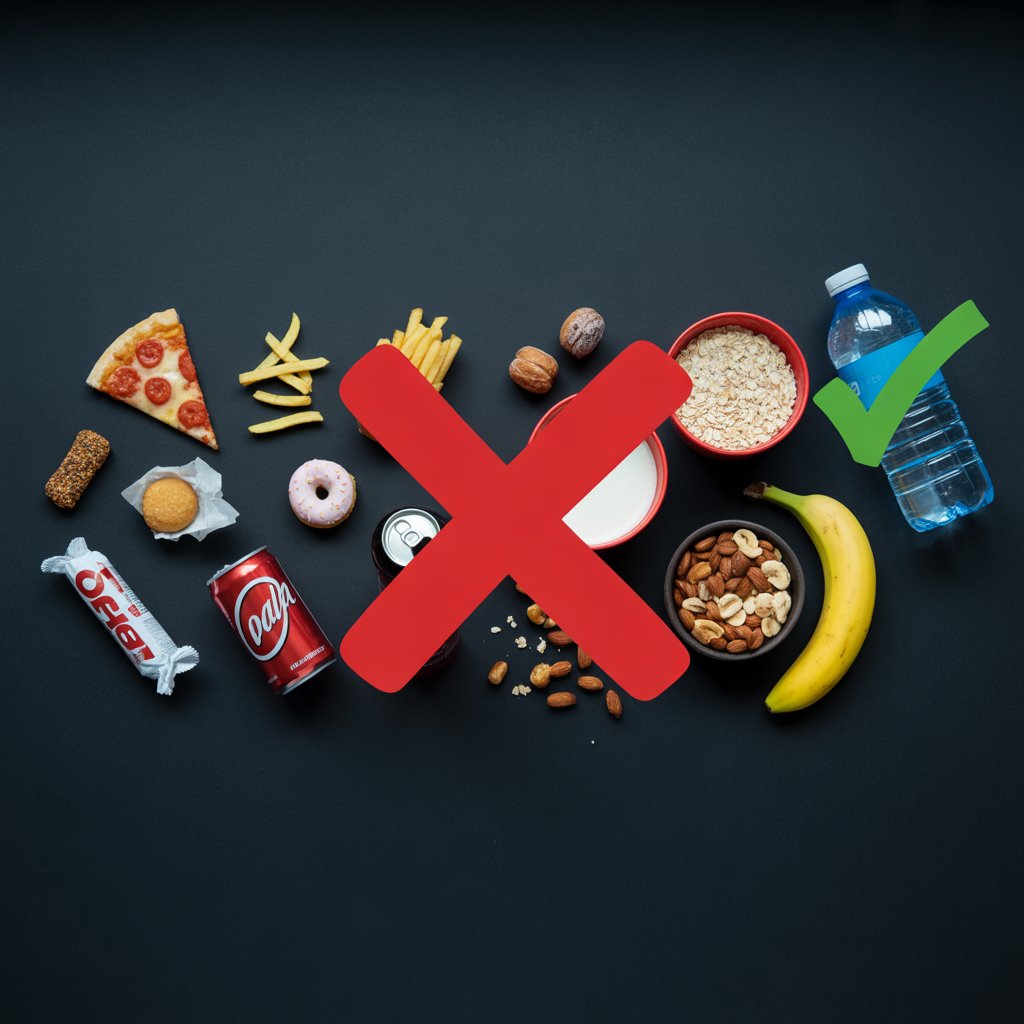
You already know the villains: fried foods, processed junk, sugary drinks, booze. They inflame, spike blood sugar, stress your heart, and just make everything harder to manage.
Does that mean you can never touch them again? Of course not. Have the cake at your kid’s birthday. Sip the wine on date night. Just don’t make them daily habits. Call them “sometimes” foods. Enjoy, savor, move on.
Meal Planning & Practical Tips
Here’s the honest truth: eating well doesn’t magically happen. You’ve got to plan a little. Otherwise, life gets busy and suddenly it’s pizza delivery again.
Make it easy on yourself. Pick 2–3 healthy go-to meals for each part of the day. Rotate so you’re not bored. Shop the outer aisles of the store that’s where the fresh stuff lives. The middle aisles are basically temptation central.
And play the swap game: soda → sparkling water with lime, white bread → whole wheat, chips → air-popped popcorn. Tiny changes stack up fast
Lifestyle Habits That Complement Diet
Food’s powerful, but it’s only part of the picture. Move your body, even if it’s just a 20-minute walk. Manage stress (because stress-eating a family-sized bag of chips is a real thing). And for the love of sleep, get some. When you’re wiped, your cravings go haywire and your willpower takes a vacation.
Think of food as the lead actor. But without sleep, movement, and stress control as supporting roles, the whole play falls apart.
When to Seek Professional Guidance
Let’s be clear: you don’t have to figure this out solo. Doctors and dietitians literally train for years to help with this stuff. They can fine-tune your diet based on your condition, meds, and lifestyle.
And no, it’s not weakness to ask for help. It’s smart. What worked for your neighbor or cousin may not work for you, and that’s fine. You deserve advice that’s actually tailored.
Conclusion
Here’s the big takeaway: managing a chronic condition with diet isn’t about perfection. It’s about support. Support for your energy, your heart, your gut, your whole life.
Load your plate with veggies, lean proteins, whole grains, and healthy fats. Watch your portions, drink your water, and don’t panic if you mess up here and there. Consistency always beats perfection. Add some movement, reduce stress, sleep enough, and you’ve just built yourself a better foundation.
At the end of the day, food isn’t punishment or restriction it’s medicine. And every meal is a chance to help yourself feel stronger, steadier, and more in control.