Introduction
Have you ever caught yourself staring at a food label, wondering why everyone’s so obsessed with calories? Nutritionists talk about them, fitness coaches won’t stop bringing them up, and every diet app seems to revolve around counting them. It’s easy to think calories are just these scary little numbers that decide whether a food is “good” or “bad.”
But honestly? Calories aren’t villains. They’re more like… life fuel. Without them, you literally wouldn’t be able to breathe, walk, heal from a paper cut, or even finish reading this sentence. Wild, right?
Now sure, too many calories can leave you gaining weight, and too few can make you feel weak or cranky (been there, not fun). But calories themselves aren’t the enemy. They’re just energy. What really matters is balance and where those calories are coming from.
So in this article, let’s break it down together: why calories matter, how they keep you alive and kicking, and the common myths that make people scared of them. By the end, I promise you’ll see calories less as something to “avoid” and more as the secret power source you’ve been using all along.
What Are Calories?
Alright, so what the heck are calories anyway? The simplest way to put it: calories are energy. That’s it. When you eat an apple, a sandwich, or yeah, even a slice of cake, your body doesn’t judge the food as good or bad it just breaks it down and says, “Thanks for the fuel!”
Technically, one calorie is the amount of energy it takes to heat a gram of water by one degree Celsius. But let’s be real… unless you’re in a science lab, you don’t really care about that definition. What matters is this: calories are the fuel your body uses to think, move, grow, repair, and basically keep you alive.
Here’s the thing a lot of people get wrong (and maybe you’ve thought this too): calories are not “toxic.” Cutting them too much isn’t a badge of honor. In fact, when you don’t get enough, your body feels it fatigue, brain fog, maybe even dizziness. It’s like trying to run a car on an empty tank. Spoiler: it doesn’t end well.
So yeah, calories are essential. The real trick isn’t eliminating them it’s knowing how many your body needs and making sure those calories come from foods that actually give you something useful in return.
Difference Between Calories in Food vs. Calories Burned
Here’s where it gets interesting. Every time you eat, you’re putting calories in. Every time you move or even just exist you’re burning them out. And your body is doing this 24/7. You burn calories not just when you’re hitting the gym, but also while sleeping, breathing, digesting, and even scrolling TikTok (yep, your brain needs energy too).
This whole “calories in vs. calories out” thing is the foundation of weight management. If you eat more than you burn, your body stores the extra energy as fat. Eat less than you burn, and your body dips into its reserves (fat, and sometimes muscle) to keep going.
But here’s the catch: not all calories feel the same. 200 calories of grilled salmon? That’ll keep you satisfied and help your muscles recover. 200 calories of soda? Quick sugar rush, then crash city. Both are “energy,” sure, but the quality makes all the difference.
So when people say “a calorie is a calorie,” they’re kinda right but also kinda wrong. The number matters, but so does the source.
Misconceptions About Calories
Let’s clear the air: calories are not evil. One of the biggest myths floating around is that eating fewer calories = instant health. If only it were that simple. Extreme calorie restriction can actually mess you up slowing down your metabolism, tanking your energy, and making you feel cranky and foggy. Not exactly the picture of health.
Another myth? That all calories are created equal. Yeah, technically they’re all energy, but come on 300 calories of donuts versus 300 calories of chicken and veggies… not the same story. One gives you nutrients and lasting energy, the other gives you sugar and regret (plus maybe a stomachache).
And finally, people often treat calories like they’re out to get them. Truth is, calories aren’t the problem overdoing processed, sugary, or fried foods is. Calories are just the messenger. Don’t shoot the messenger .
The bottom line? Stop fearing calories. Learn how much your body needs, choose nutrient-dense foods most of the time, and you’ll find that calories can actually work for you instead of against you.
Why Our Bodies Need Calories
Okay, let’s be real without calories, your body just stops. No energy, no movement, nada. Calories are basically the gas in your tank. They keep your heart beating, your brain firing, and even give you the energy to shuffle to the fridge at midnight (hey, no shame, we’ve all been there ).
But here’s the thing calories aren’t just about workouts or running marathons. They’re what keeps your organs alive and your cells busy repairing themselves. Imagine your body like an iPhone calories are the charger. No charger? Dead phone. Same deal with your body.
What people often forget is that calories fuel growth and repair, too. Kids need more to grow, athletes need extra for recovery, and even when you’re sitting binge-watching Netflix, your body’s burning through calories just to keep your lungs breathing and your skin renewing.
So yeah calories aren’t optional. The real question isn’t “do I need them?” (duh, yes), but “how many does my body need to feel good without going overboard or underfueling?”
The Balance of Calories
Here’s where it gets tricky: balance. You’ve probably heard “calories in vs. calories out.” Annoying, but it’s kinda true. Eat way more than you use? Hello, fat storage. Eat way less? Sure, you might lose weight, but your body could start stealing energy from your muscles. Not fun.
Think of it like your bank account. Deposit too much (aka overeat), and the extra stacks up as fat savings. Withdraw too much (undereat), and boom system overdraft. You feel tired, cranky, maybe even nutrient-starved.
The wild part? The balance isn’t the same for everyone. Your age, gender, activity level, even your genes all matter. That’s why your best friend can demolish pizza and never gain weight while you just look at pizza and your jeans get tight (ugh, rude).
Point is: balance matters more than extremes

Quality of Calories Matters
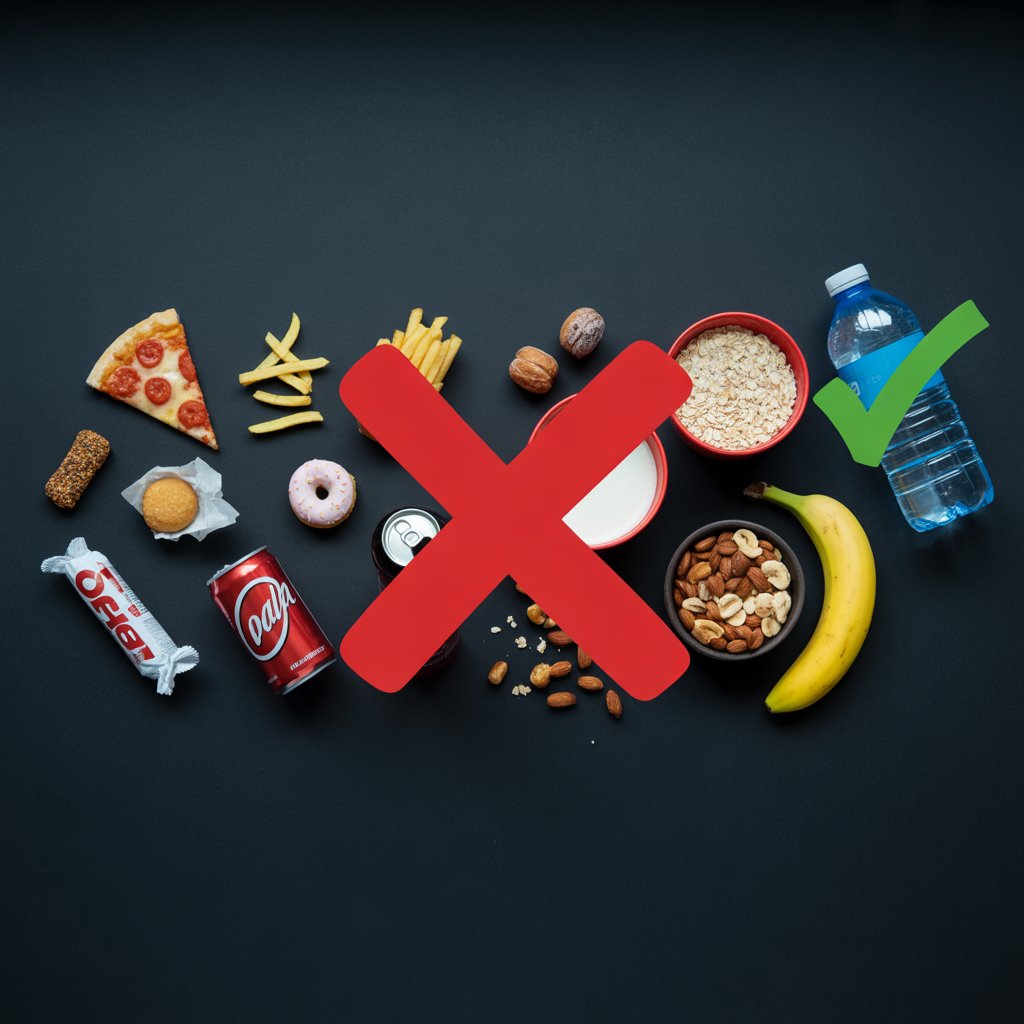
Here’s a reality check: not all calories are created equal. 200 calories of gummy bears? Quick sugar high, then crash. 200 calories of grilled chicken? Long-lasting energy plus protein that helps your muscles rebuild. Totally different effect.
That’s the difference between “empty calories” (soda, chips, donuts) and “nutrient-dense” ones (fruits, veggies, lean meats, whole grains). Empty ones give you energy but no vitamins or minerals. Nutrient-dense ones fuel you and help your body actually function.
So instead of obsessing over numbers alone, ask yourself: “What am I actually getting from these calories?” Because trust me 500 calories of fast food is not the same as 500 calories of a home-cooked meal.
Calories and Metabolism
Your metabolism = your body’s engine. Some people have fast ones (and yes, it’s unfair 😒), while others run slower. That’s why two people can eat the same meal and have totally different results.
But here’s the twist your metabolism isn’t stuck forever. It shifts with age, activity, hormones, and how much muscle you’ve got. More muscle = more calorie burn, even while you’re chilling on the couch. That’s why lifting weights is such a cheat code.
Now, if you eat too few calories for too long, your metabolism can actually slow down your body thinks it’s starving and starts conserving energy. On the flip side, fueling properly with nutrient-rich foods keeps your metabolism running smoothly.
Basically, your metabolism and calorie intake are like best friends always chatting. Listen to them. If you feel off, your body’s probably trying to tell you something.
Common Myths About Calories
Oh boy, here we go:
Myth 1: Eating fewer calories is always better.
Nope. Starving yourself slows your metabolism, weakens immunity, and makes you grumpy.
Myth 2: All calories are equal.
Technically, sure. But practically? 300 calories of broccoli vs. 300 of fries? Not the same.
Myth 3: Exercise cancels out bad calories.
Sorry fam, it doesn’t. You can’t out-exercise a consistently bad diet.
Calories aren’t evil. Context matters.
Conclusion
So, why are calories important for our bodies? Because they’re literally the fuel for life. They power your brain, your heart, your movement, everything.The secret isn’t cutting them out it’s finding your balance, choosing quality over empty numbers, and not falling for the silly myths. Calories aren’t your enemy. They’re your partner. Treat them well, and they’ll keep you feeling alive, energized, and strong.